base.blog • Inventory Reconciliation

TagInventory Reconciliation

Base.com vs Browntape for Indian D2C Brands Selling Across Multiple Channels

B
Base.com vs Browntape comparison for Indian D2C brands selling across multiple ecommerce channels

If you are searching for the best alternative to Browntape in India, the answer depends on what your operations actually need. For Indian D2C brands selling across Amazon, Flipkart, Shopify, and Meesho simultaneously, Base.com is the best alternative to Browntape in India, not because it does the same things better, but because it covers the operational ground that Browntape never built for. Why...

How to Integrate Ecommerce Orders with SAP: A Guide for D2C Brands in India

H
Cover image for a guide to integrating ecommerce orders with SAP for Indian D2C brands.

To integrate ecommerce orders with SAP, first route every marketplace and website order into one order management system. That system posts each order to SAP as a sales order with the correct SKU, GST, and customer codes. It then sends dispatch, invoice, return, and stock updates back automatically. Base.com runs this operations layer for Indian D2C brands. India’s ecommerce market has...

What Is a Warehouse Management System? How Indian D2C Brands Use It to Cut Returns by 30%

W
Warehouse management system in India helping a D2C brand manage inventory, warehouse operations, and fulfillment while reducing returns

A warehouse management system in India is software that controls and optimizes every physical operation inside a fulfillment center, from the moment inbound stock arrives to the moment an order leaves for dispatch. It manages where inventory lives, how it is picked, how orders are packed, and how returns are processed and restocked. For Indian D2C brands, a warehouse management system in India is...

How to Automatically Assign Courier Based on Pin Code: A Guide for Indian Ecommerce Sellers

H
Cover image introducing automatic courier assignment by PIN code for Indian ecommerce sellers.

Pin-code-based courier allocation is a rule engine that reads each order’s delivery pin code. It then assigns the courier partner with the right serviceability, cost, and delivery record for that address. For Indian sellers shipping across 19,000+ pin codes, it replaces manual selection, lowers RTO, and speeds up dispatch without adding headcount. India’s ecommerce market has reached...

Bulk Label Printing for Flipkart and Meesho Orders: A Seller’s Guide

B
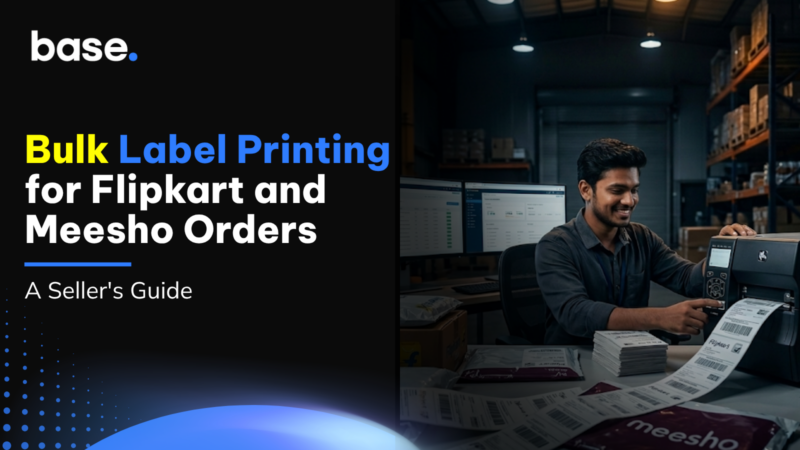
Bulk label printing for Flipkart and Meesho orders, with an ecommerce seller preparing shipments at a warehouse workstation.

To learn how to print Flipkart and Meesho labels in bulk, connect both seller accounts to one order management system, sync and segregate your orders, group them SKU-wise, and generate print-ready 4×6 labels and invoices in a single run. This removes the download, crop, and sort cycle from every dispatch. Most Indian sellers still print labels portal by portal. That works at 30 orders a day...

Multi-Warehouse Inventory Management for Long-Tail Catalogs: A Routing-First Approach

M

Stop treating stock as one number. The moment inventory sits in two locations, a combined total becomes a liability, because it promises fulfilment your warehouses cannot deliver. Sellers working out how to manage inventory across multiple warehouses need location-aware stock and rules that decide where each order goes before anyone picks it. India’s ecommerce market is set to reach roughly...

Flipkart Showing Out of Stock When Stock is Available: Causes and Fixes

F
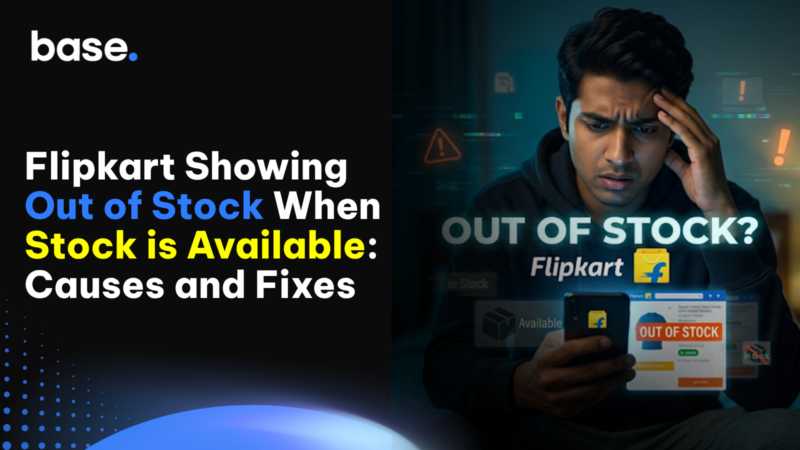
Flipkart shows out of stock when stock is available, with a seller checking the inventory problem on a mobile phone.

Flipkart shows a product as out of stock while your warehouse holds units for five main reasons: the Seller Hub inventory count is zero or stale, your stock sync has failed, the buyer’s pincode is unserviceable, the listing is inactive or blocked, or your SKU mapping points to the wrong stock. The Flipkart showing out of stock but stock available problem is rarely a Flipkart bug. It is...

Multi-Warehouse Inventory Management for Long-Tail Catalogs: A Routing-First Approach

M
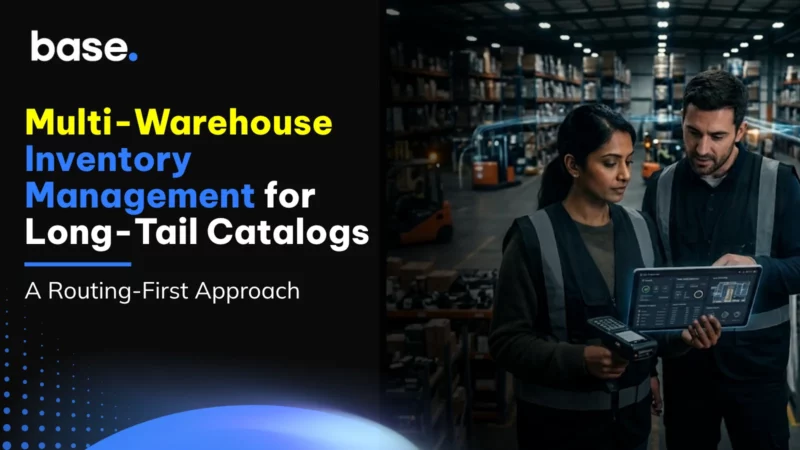
Multi-warehouse inventory management for long-tail catalogs, with warehouse operations and routing-based stock control.

Stop treating stock as one number. The moment inventory sits in two locations, a combined total becomes a liability, because it promises fulfilment your warehouses cannot deliver. Sellers working out how to manage inventory across multiple warehouses need location-aware stock and rules that decide where each order goes before anyone picks it. India’s ecommerce market is set to reach roughly...

Combo and Bundle Inventory Management for Gifting Brands: The Festive-Season Operating Manual

C
Combo and bundle inventory management for gifting brands, with festive-season planning for Indian ecommerce operations.

Treat a combo as a manufacturing output, not a catalogue entry. Its availability depends on the weakest component, its assembly consumes floor time, and its demand lands inside a three-week window. Once you accept that framing, how to manage combo and bundle inventory in ecommerce becomes a planning problem rather than a listing problem. India’s ecommerce market is set to reach roughly ₹19...

Time of publication
Category
Tags