In the Indian e-commerce ecosystem, returns to origin (RTO) are often dismissed as a cost of doing business. A necessary evil. A customer-first compromise.
But the numbers tell a far more dangerous story.
In 2025 alone, Indian sellers lost nearly ₹2 lakh crore in revenue due to returns. What was once positioned as a retention lever has quietly transformed into one of the largest profit leakages in modern e-commerce.
On paper, a seamless return experience builds trust. In reality, for many brands, it erodes margins at a pace that growth cannot compensate for.
The damage begins the moment a return is initiated.
By then, the forward logistics cost is already sunk. The product has been packed, shipped, and delivered. That cost is gone forever. The second blow is even more brutal: reverse logistics. In India, return pickup fees often match or exceed forward shipping costs, especially outside metro regions.
For low-AOV products, the math becomes unforgiving.
On an item priced under ₹500, a single return can wipe out the net margin from three successful sales. Not because the product failed, but because the supply chain did exactly what it was designed to do.
This is where many sellers underestimate the risk. Returns aren’t just lost revenue. They trigger a cascade of hidden costs: inventory reprocessing, quality checks, restocking delays, dead stock risk, and blocked working capital. Multiply this across thousands of orders, and the leak becomes systemic.
What makes returns to origin (RTO) especially dangerous is their invisibility. They don’t show up as a sudden spike. They blend into daily operations, quietly inflating costs while dashboards continue to celebrate GMV growth.
At scale, returns stop being an operational nuisance.
They become an enterprise-level threat.
Winning brands don’t eliminate returns, they engineer against them. They redesign policies, pricing, packaging, and customer flows to minimize preventable returns while protecting genuine customer experience.
Because in Indian e-commerce, unchecked returns to origin (RTO) don’t just hurt margins.
They can quietly sink an otherwise growing business.
The Financial Reality of the Indian Reverse Logistics Cycle
Before we dive into the specific reasons why returns drain your bottom line, it is essential to understand the sheer volume of the problem. Indian e-commerce sees an average return rate of 17% to 20%, but in high-velocity categories like fashion and footwear, this number frequently spikes to 35% or 40%.
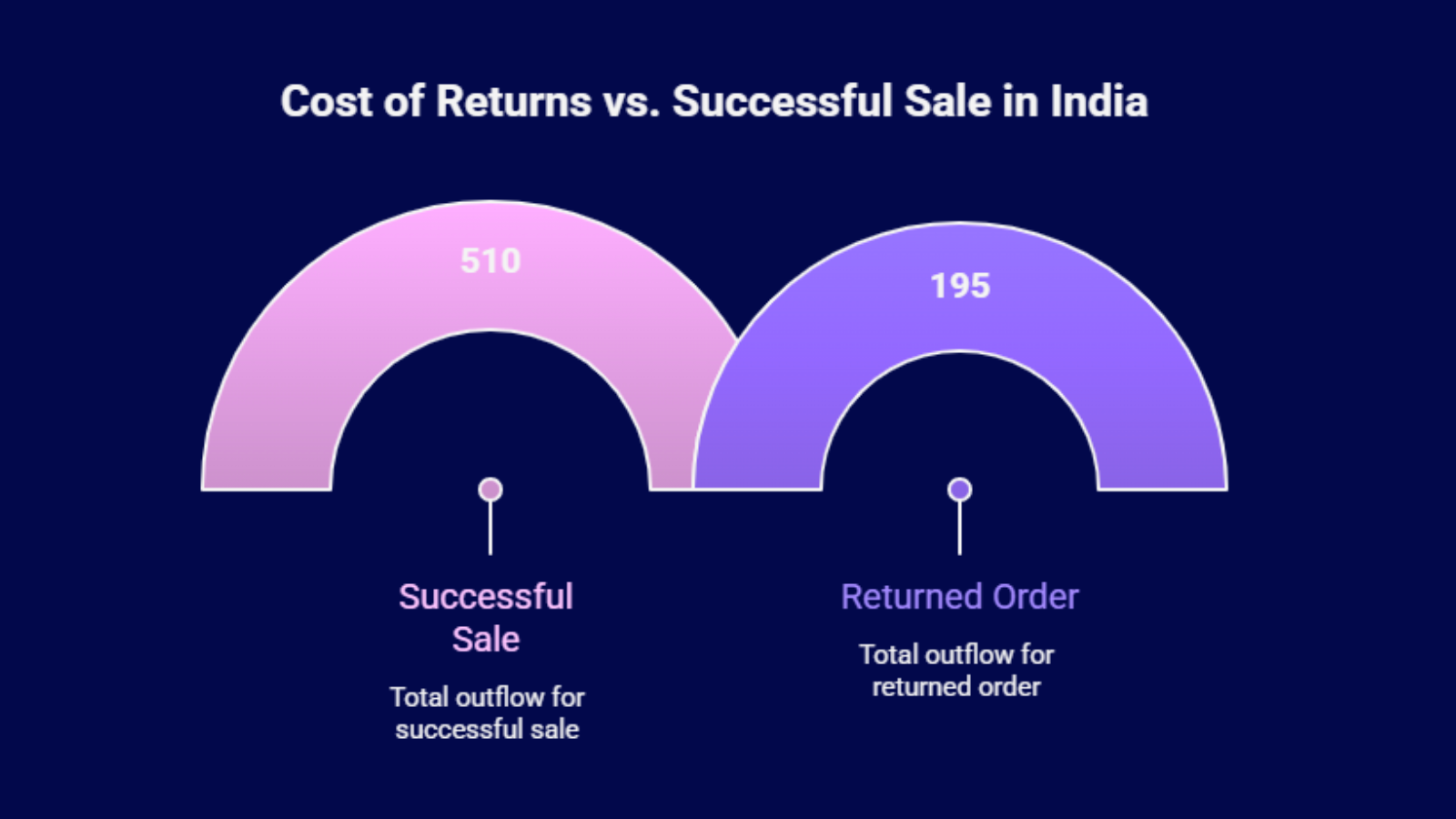
The table below illustrates how the economics of a return differ from a successful sale for a typical mid-range product in India.
| Cost Component | Successful Sale (INR) | Returned Order (INR) |
|---|---|---|
| Product Cost (COGS) | 400 | 400 (Asset tied up) |
| Forward Shipping | 70 | 70 |
| Reverse Logistics | 0 | 85 |
| Packaging & Handling | 15 | 30 (Double handling) |
| Marketplace/Payment Fees | 25 | 10 (Non-refundable part) |
| Total Outflow | 510 | 195 (Net Loss) |
Top 10 Reasons Returns Become a Profit Killer Instead of a Retention Lever
Managing ecommerce returns management is no longer just about customer service; it is about survival. When the cost of getting a product back exceeds the potential resale value, your retention strategy has officially become a liability. Here are the ten primary ways returns are eroding your profits.
1. The High Cost of Reverse Logistics in Fragmented Geographies
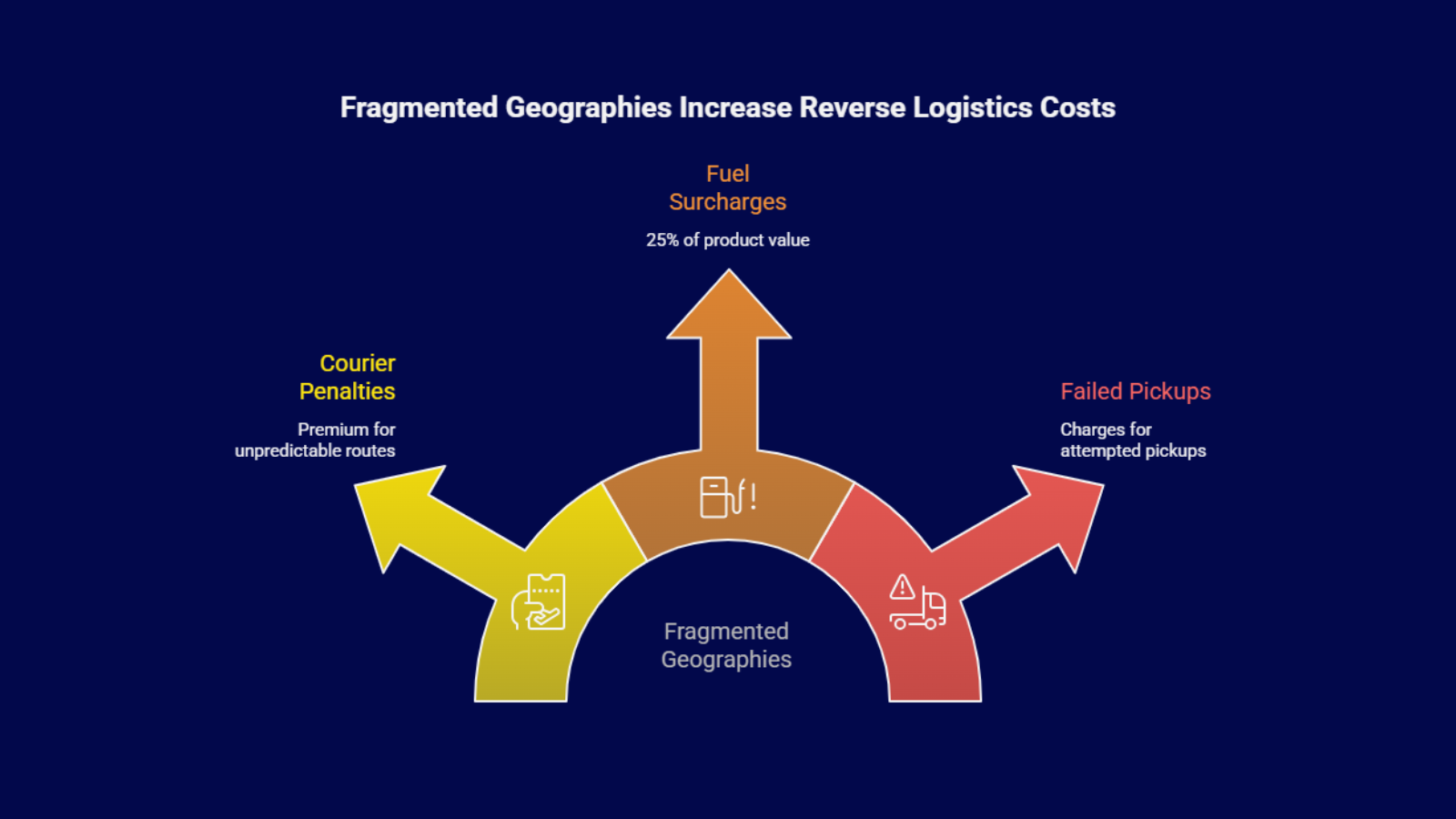
Shipping a product from a warehouse in Bhiwandi to a customer in a Tier 3 town in Bihar is expensive. Bringing it back is even costlier. Unlike forward logistics, where shipments are consolidated, reverse logistics involves individual pickups from diverse locations.
- Courier Penalties: Many Indian carriers charge a premium for return pickups due to the unpredictability of the route.
- Fuel Surcharges: With fluctuating fuel prices, the cost of two-way transit often eats up 25% of the product’s value.
- Failed Pickups: Logistics partners often charge for attempted pickups even if the customer isn’t home, adding to the returns to origin (RTO) cost.
2. Systematic Return Abuse and Wardrobing
Return abuse has become a sophisticated drain on Indian enterprises. Wardrobing, the practice of buying an expensive outfit for a single event or social media photo and then returning it, is rampant in the fashion sector.
- Usage Damage: Products often come back with perfume scents, sweat stains, or missing tags.
- Product Swapping: Malicious actors return an old or counterfeit version of the product while keeping the original.
- Label Manipulation: Fraudsters use Item Not Received (INR) claims despite successful delivery to trigger automated refunds.
3. Inventory Blockage During Peak Sale Seasons
During large events such as Big Billion Days or the Great Indian Festival, returns often take fifteen to twenty days to complete the reverse logistics cycle. By the time an item is received, inspected, and restocked, the demand peak has usually passed. Inventory that was moving rapidly during the sale quietly turns into slow or dead stock, especially in season-sensitive categories.
For products like winter wear or festive décor, timing is everything. A delayed return often means the item misses its only high-demand window, forcing sellers to liquidate inventory at steep discounts. At the same time, working capital remains tied up in floating inventory that is neither with the customer nor available for resale. The combined impact is lost revenue during peak season and margin erosion during clearance.
4. Refund Leakage and Automated Payout Errors
To improve customer trust, many sellers offer instant refunds. However, when refunds are not tightly linked to physical product verification, leakage becomes inevitable. Refunds may be issued before a return is picked up, before it is inspected, or in some cases, before it has even left the customer’s possession.
This problem becomes more severe in Return-to-Origin scenarios. Orders cancelled while out for delivery may still trigger automated refunds, even though the product has not yet returned to the seller. In addition, mismatches between courier status updates and warehouse receipts create reconciliation gaps, while API delays between marketplaces and banking systems can result in duplicate refunds for a single order.
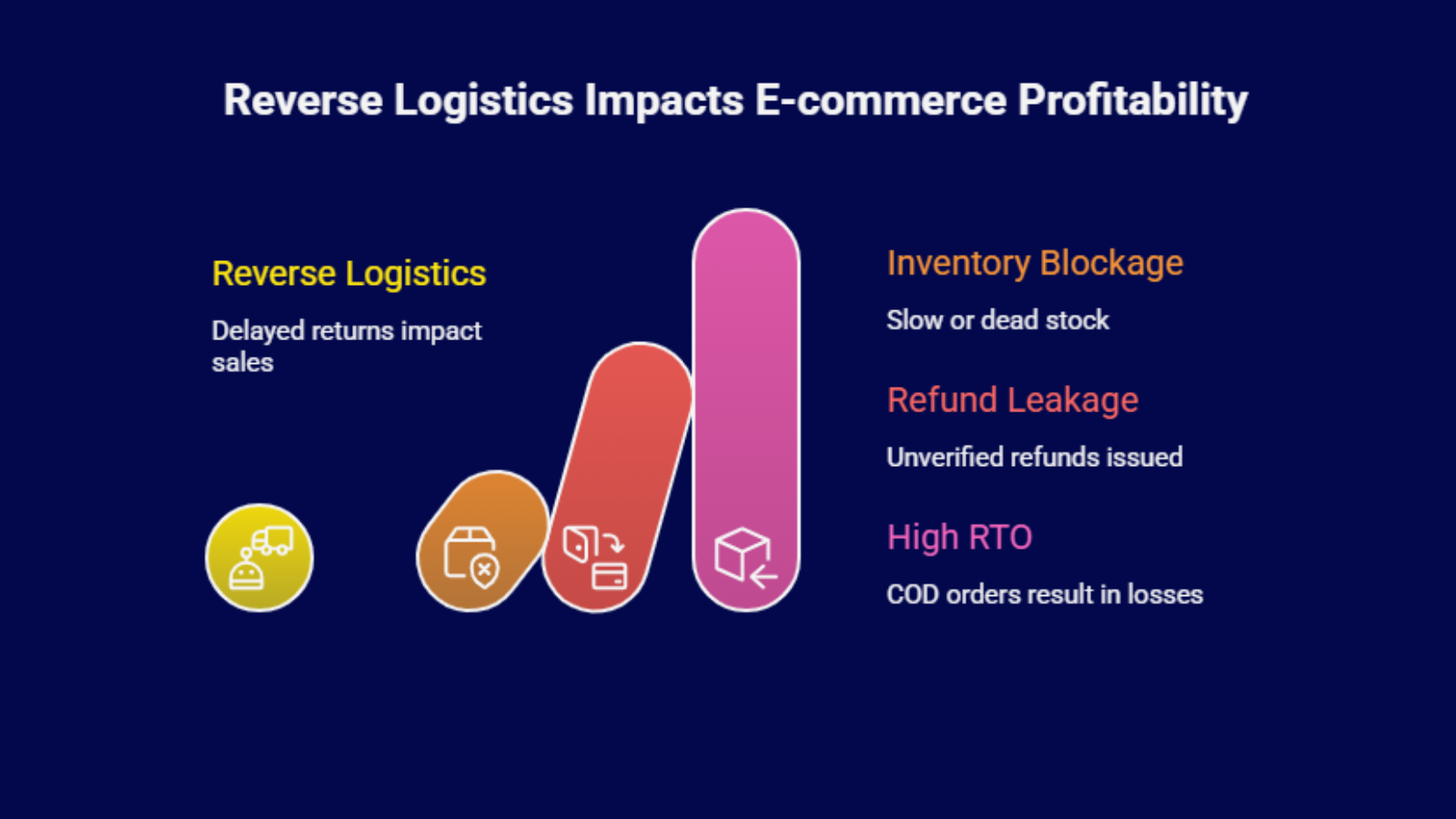
5. High RTO Rates on Cash-on-Delivery (COD) Orders
Cash-on-delivery continues to dominate ecommerce transactions in non-metro India, contributing significantly to return volumes. Since customers have no upfront financial commitment, refusal at the doorstep becomes a low-friction decision.
Several factors amplify COD-related RTO losses:
- Customers often place multiple orders for the same item across platforms and accept only the fastest delivery.
- Poorly formatted or incomplete addresses lead to undeliverable shipments.
- Customer unavailability across multiple delivery attempts eventually results in forced returns.
In each case, the seller absorbs both forward and reverse shipping costs, turning what appeared to be a successful order into a direct loss.
6. Invisible Operational Overhead and Labor Costs
The true cost of returns is rarely captured in shipping expenses alone. Every returned item sets off a chain of manual processes inside the warehouse and customer support teams, quietly increasing operational overhead.
Returned products must be opened, inspected, graded, and often repackaged before they can be resold. Damaged or torn packaging requires new materials, labels, and handling time. On the customer-facing side, return-related queries generate significantly higher support volume than successful orders, increasing staffing requirements and response times. These costs accumulate silently and are often underestimated in profitability calculations.
7. Product Depreciation and Physical Damage
The touchpoints for a returned item are double those of a forward-shipped item. The more a product is handled, the higher the risk of damage.
- Transit Damage: Returns are rarely packed as securely by customers as they were by the seller, leading to breakage during the return journey.
- Aesthetic Wear: Even minor scuffs on a smartphone box or a shoe carton can downgrade an item from New to Open Box, slashing its value.
- Hygiene Limitations: In categories like Beauty or Innerwear, a returned item is often a total loss because it cannot be legally or ethically resold.
8. Bracketing: The Trial Room Habit
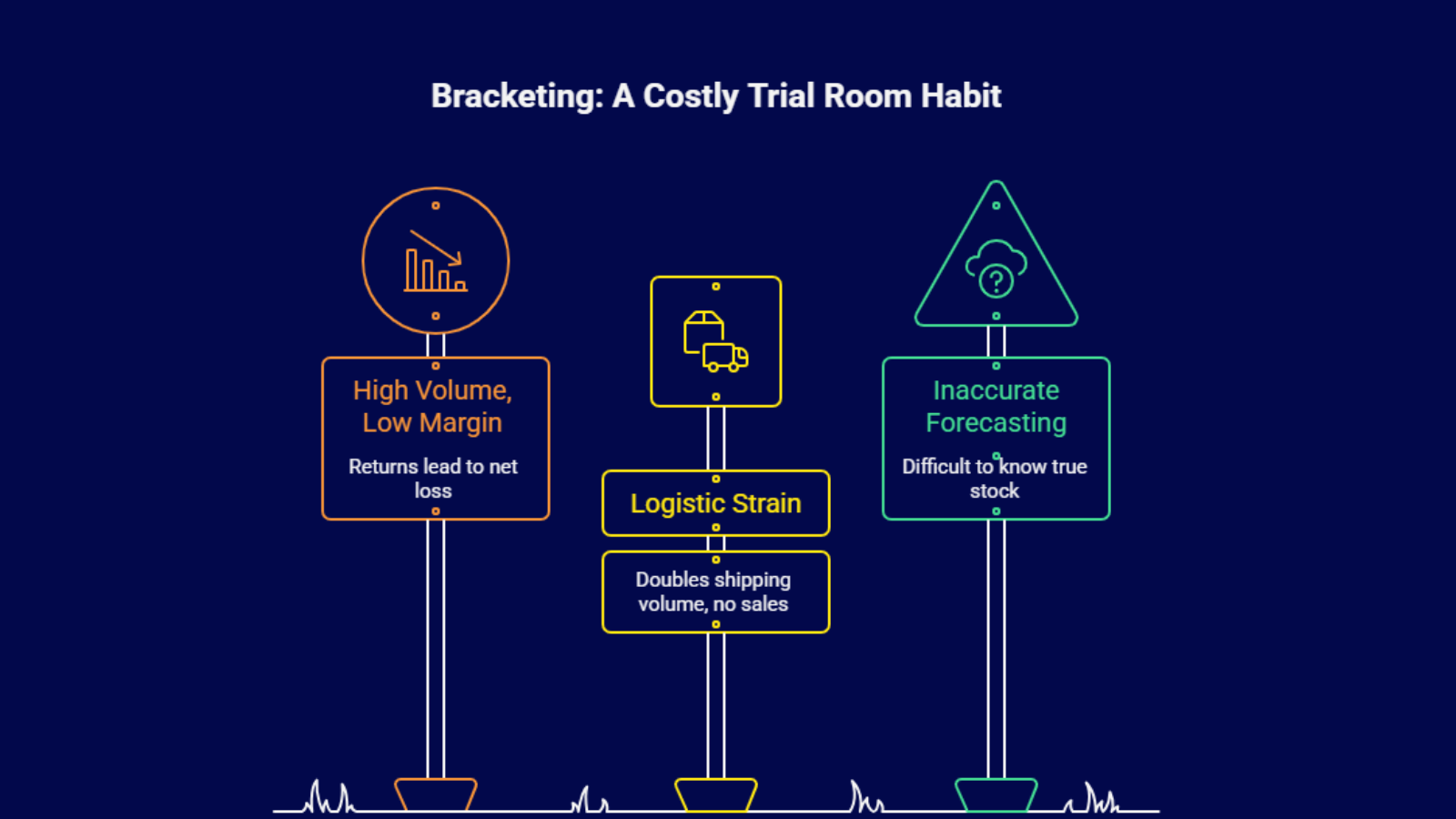
Indian shoppers have adopted bracketing, which is ordering three sizes or colors of the same item with the explicit intent of returning two. While this mimics the trial room experience, the seller pays for the trial through increased reverse logistics fees.
- High Volume, Low Margin: Bracketing inflates GMV (Gross Merchandise Value) temporarily but results in a net loss once the returns to origin (RTO) are processed.
- Logistic Strain: It doubles the shipping volume without increasing the actual units sold.
- Inaccurate Forecasting: High bracketing rates make it difficult for sellers to know their true stock levels.
9. Marketplace Penalty Fees and Account Health
High return rates do not just affect unit economics; they also impact seller standing on major marketplaces. Marketplaces often retain a portion of shipping or closing fees even when orders are returned, directly cutting into margins.
Listings with elevated return rates are frequently penalized by search and ranking algorithms, reducing product visibility and conversion. Additionally, returned items stored in marketplace warehouses incur daily storage charges while awaiting inspection or liquidation, further increasing costs and slowing inventory recovery.
10. The Environmental and Sustainability Tax
While not always a direct line item on a P&L, the sustainability cost of returns is becoming a financial burden through Green Taxes and brand reputation damage.
- Carbon Footprint: The double-transit of goods contributes significantly to CO2 emissions, which many enterprises now have to offset.
- Packaging Waste: The sheer volume of discarded plastic and cardboard from returns increases waste management costs.
- Brand Perception: Conscious Indian consumers are increasingly avoiding brands known for disposable quality that leads to high returns to origin (RTO).
Strategic Ways to Mitigate the Profit Killer Effect
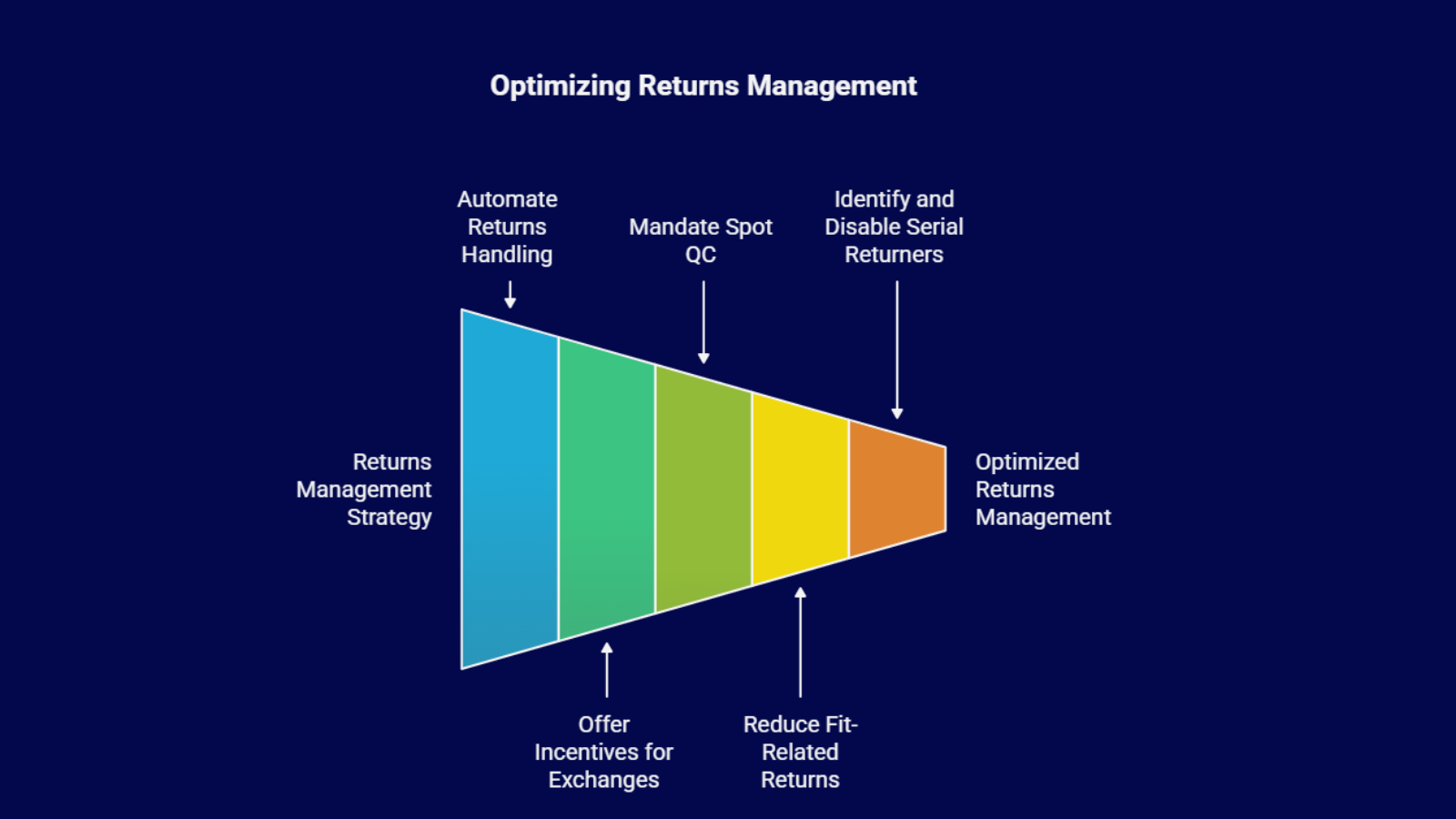
To turn the tide, Indian sellers must stop viewing returns as an inevitable loss and start treating them as a data-driven optimization problem. Implementing a robust ecommerce returns management strategy involves more than just a policy change; it requires technology.
Comparison of Manual vs. Automated Returns Handling
| Feature | Manual Process | Automated (e.g., Base.com) |
|---|---|---|
| Refund Speed | 7-10 Days | Instant (on-pickup) |
| Fraud Detection | Subjective/Visual | AI-based behavior tracking |
| RTO Prediction | None | Address validation & Risk scoring |
| Customer Support | High (Call/Email) | Self-service portal |
| Data Insights | Scanty/Spreadsheets | SKU-level return analytics |
Actionable Steps for Indian Sellers
- Offer a 5-10% discount or a small gift if the customer chooses an exchange over a refund. This keeps the revenue within your ecosystem.
- Mandate your logistics partner to perform a Spot QC at the doorstep. If the item is missing or damaged, the pickup is denied.
- Use high-definition videos and real-person size guides to reduce fit-related returns by up to 25%.
- Identify serial returners and disable COD options for users who have a history of high return abuse.
Conclusion
Returns to origin (RTO) are a double-edged sword. While they are necessary for building trust in a digital-first economy, an unmanaged return cycle is a fast track to insolvency. By optimizing your reverse logistics, tightening your ecommerce returns management, and proactively identifying refund leakage, you can transform your returns department from a cost center into a strategic asset.
Don’t let your hard-earned margins vanish in the reverse loop. Modern Indian enterprises are switching to automated solutions to gain 100% visibility over their post-purchase journey.
Ready to stop the profit leak? Base.com provides Indian sellers with the ultimate toolkit for managing reverse logistics, detecting return abuse, and automating your entire returns workflow. Sign up today and reclaim your profitability.
Click here to read more about how Indian e-commerce brands handle COD confirmation and payment failures using OMS.
Frequently Asked Questions
1. Why are returns more expensive than forward shipping in India?
Reverse logistics in India is expensive because it involves non-consolidated, individual pickups. Courier partners often charge extra for the handling and inspection at the doorstep, and the lack of automated routing for returns makes the fuel and labor costs significantly higher for the seller.
2. How does return abuse specifically affect small Indian D2C brands?
For small brands, return abuse like wardrobing or swapping is devastating because they have lower inventory buffers. A single fraudulent return of a high-value item can wipe out the profits of an entire week’s worth of legitimate sales.
3. Can I completely eliminate ecommerce returns?
No, and you shouldn’t try. Eliminating returns can decrease your conversion rate by over 50%. The goal is to manage the returns cost by improving product descriptions, using better packaging, and identifying high-risk customers through data-driven ecommerce returns management.
4. What is refund leakage and how can I spot it?
Refund leakage happens when money leaves your account without a corresponding return of value. This occurs through double-refunds, refunds for unreturned items, or marketplace overcharges. You can spot it by reconciling your bank payouts against your physical warehouse receipts.
5. How does a self-service returns portal reduce my operational costs?
A portal reduces the returns cost by eliminating the need for customers to call or email your support team. It automates the generation of return labels and pickup schedules, allowing your staff to focus on quality control and business growth.