


Quick commerce has completely changed how customers shop for daily essentials in India. Platforms like Blinkit, Zepto, and Swiggy Instamart have trained customers to expect groceries, medicines, and small electronics within 10 to 30 minutes. According to RedSeer, India’s quick commerce market is expected to cross $5.5 billion by 2025, growing at over 40 percent annually. For D2C sellers, this shift is opening a new revenue channel that works very differently from traditional ecommerce.
When a customer places an order, several systems start working instantly. Inventory systems check stock at nearby dark stores within a 2 to 5 km radius, warehouse systems generate optimized pick paths so staff can pack orders within 90 to 120 seconds, and delivery platforms assign riders automatically. If any of these systems fail to communicate in real time, the 30-minute delivery promise collapses.
This is where the Best order management system in India becomes critical for D2C sellers entering quick commerce. It helps brands sync inventory across marketplaces, route orders to the nearest fulfillment node, and avoid overselling during high-demand hours like 7 pm to 10 pm, which account for nearly 35 percent of quick commerce orders.
Many Indian sellers also overlook micro inventory planning. Fast-moving SKUs like snacks, ready-to-cook meals, and personal care products often drive 60 percent of quick commerce sales, making accurate inventory allocation essential for profitability.
Understanding the Technology Stack Behind 30-Minute Delivery
Running a 30-minute delivery model requires far more than fast riders or nearby warehouses. The real driver behind quick commerce is a tightly connected technology stack that allows every operational step to happen in seconds. Companies like Blinkit, Zepto, and Instamart rely on micro-fulfillment networks where dark stores operate within a 2–4 km delivery radius, and orders must move from checkout to dispatch in under 2 minutes. To achieve this speed, several systems work together in real time.
When a customer places an order, the platform immediately checks inventory in the nearest fulfillment location, allocates the order for picking, assigns a delivery partner, and calculates the fastest route based on traffic conditions. If any of these systems fail to communicate instantly, the delivery promise breaks.
This is why the Best order management system in India becomes the central layer of the entire stack. It connects ordering, inventory, warehouse operations, and logistics systems so that every order flows automatically without manual intervention. Below are the core technology layers that power a reliable, quick commerce infrastructure.
| Technology Layer | Purpose | Impact on 30-Minute Delivery |
|---|---|---|
| Order Management System | Manages orders from checkout to dispatch | Prevents delays and routing errors |
| Warehouse Management System | Controls picking, packing, and stock tracking | Speeds up fulfillment |
| Inventory Management System | Tracks real-time stock availability | Prevents overselling |
| Delivery Management Software | Assigns riders and tracks deliveries | Improves last-mile efficiency |
| Route Optimization Engine | Finds fastest delivery paths | Reduces delivery time |
| Customer Experience Tools | Handles notifications and tracking | Improves customer satisfaction |
The Best order management system in India connects all these layers together, so orders move seamlessly from purchase to delivery without delays.
1. Order Manager: Centralizing Orders Across Every Sales Channel
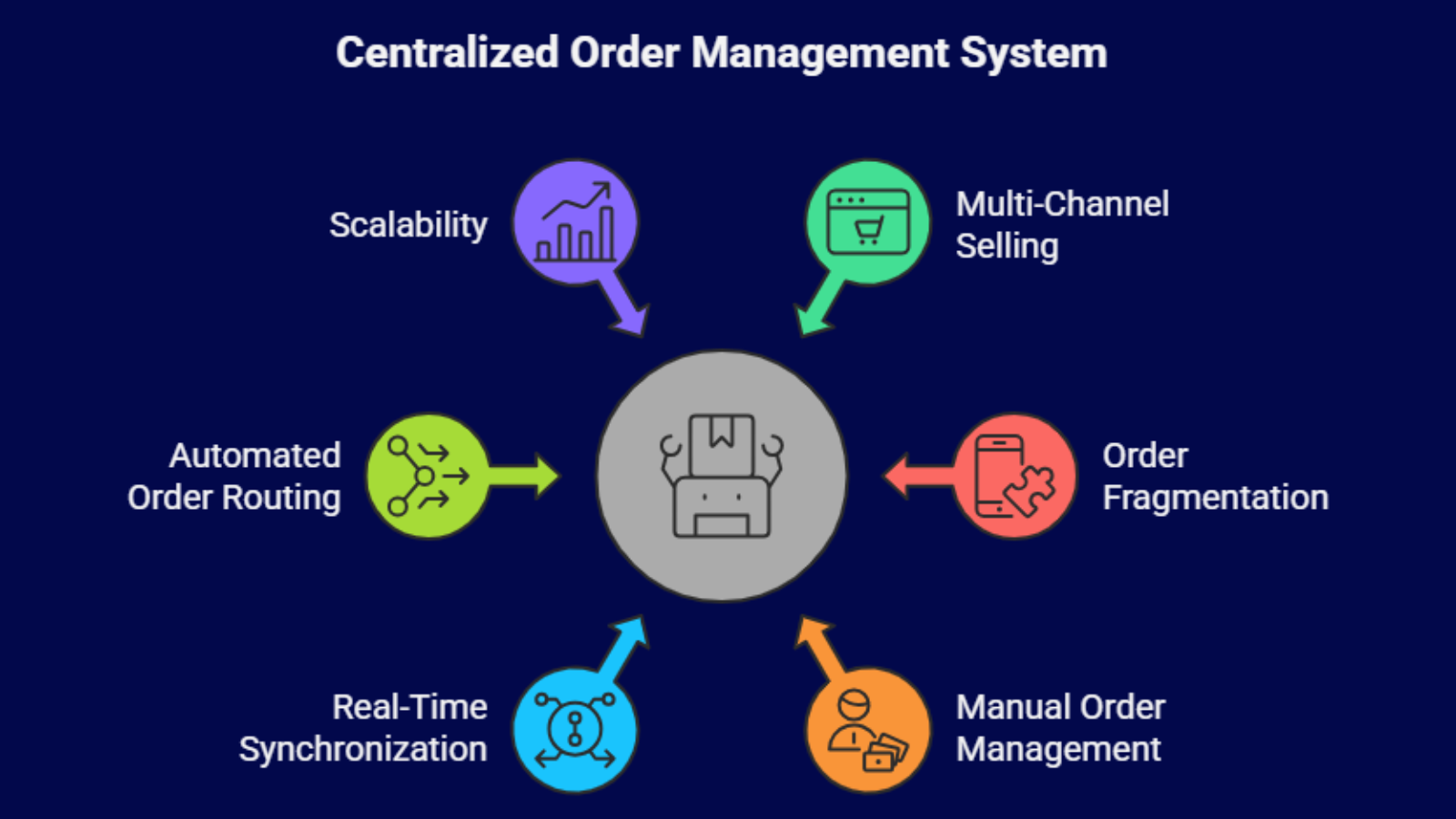 For Indian D2C brands, order fragmentation is one of the biggest operational problems. A typical brand today sells through its own website, marketplaces like Amazon and Flipkart, quick commerce platforms such as Blinkit or Zepto, and sometimes through offline distributors. Without a centralized order system, teams end up manually managing orders across dashboards, which slows fulfillment and increases errors.
An Order Manager solves this by bringing all orders into a single interface.
Why Indian D2C Brands Need This
- India processes over 1.6 billion ecommerce orders annually, and multi-channel selling is now the norm.
- Nearly 30 percent of order delays happen because of disconnected systems between marketplaces and fulfillment teams.
- During sales events or flash drops, brands can see 5 to 8 times higher order volumes within minutes.
Use cases for Indian sellers
- A skincare brand selling on Shopify, Amazon, and Blinkit receives all orders in one dashboard.
- Orders automatically route to the nearest warehouse in Delhi, Mumbai, or Bangalore.
- Returns and cancellations sync instantly across marketplaces.
How Base.com does this differently
- Real-time synchronization with 50+ marketplaces and platforms.
- Automated order routing based on inventory location and courier SLAs.
- High scalability that supports tens of thousands of orders per hour, which is critical during quick commerce spikes.
For brands entering fast delivery channels, Base ensures every order moves instantly from checkout to fulfillment without operational bottlenecks.
2. Marketplace Manager: Simplifying Listings and Catalog Synchronization
Marketplace complexity increases rapidly as brands expand. A typical Indian D2C brand selling on Amazon, Flipkart, Myntra, Nykaa, and quick commerce platforms may manage hundreds of SKUs across multiple catalogs, each with different pricing rules, descriptions, and compliance requirements.
Marketplace Manager helps brands manage listings and product information from one system.
Why Indian D2C brands need this
- India is expected to have over 800 million online shoppers by 2030, and marketplaces dominate discovery.
- Listing errors cause nearly 20 percent of catalog rejection issues on marketplaces.
- Brands lose sales when inventory or pricing is not synchronized.
Use cases
- A nutrition brand managing 120 SKUs across Amazon, Flipkart, and Instamart updates pricing once and pushes it across all channels.
- Inventory automatically updates when orders come from quick commerce apps.
- Seasonal promotions can be pushed across marketplaces instantly.
How Base.com stands out
- Bulk listing management with advanced product templates for multiple marketplaces.
- Real-time catalog synchronization to prevent overselling.
- Faster listing approvals by ensuring marketplace-compliant product data structures.
For Indian sellers scaling into multiple channels, Base eliminates manual catalog management and ensures accurate product visibility everywhere.
3. Product Manager: Controlling Inventory, Suppliers, and Product Data
Product management becomes complex when brands start working with multiple suppliers and warehouses. Many Indian D2C brands source products from different manufacturing units across Gujarat, Delhi NCR, and Tamil Nadu, making product tracking difficult.
A Product Manager system centralizes product information, suppliers, and inventory locations.
Why Brands Need This
- Inventory inaccuracies cause 15 to 25 percent operational losses in ecommerce.
- Multi-warehouse brands struggle to track stock across cities.
- Supplier coordination often requires manual spreadsheets.
Use cases
- A packaged foods brand tracks raw material suppliers, packaging vendors, and finished goods inventory.
- Products automatically map to wareh
 ouses closer to quick commerce demand zones.
 - Compliance documents and certifications remain attached to product records.
How Base.com differs
- Centralized product database connected to warehouse and marketplace systems simultaneously.
- Supplier level tracking for better procurement planning.
- Automated product data updates across all connected sales channels.
For Indian D2C sellers scaling into quick commerce, having a strong product management layer helps maintain inventory accuracy and supplier transparency.
4. Price Automation: Dynamic Pricing for Competitive Marketplaces
Pricing in Indian ecommerce is extremely competitive. On platforms like Amazon or Flipkart, price differences as small as ₹10 to ₹20 can impact the Buy Box.
Price automation tools monitor competitor prices and automatically adjust product pricing.
Why brands need price automation
- Nearly 82 percent of marketplace purchases happen through Buy Box listings.
- Manual price monitoring across hundreds of SKUs is nearly impossible.
- Quick commerce platforms require flexible pricing based on demand and stock levels.
Use cases
- A consumer electronics brand adjusts pricing automatically when competitors drop prices.
- Seasonal discounts can activate across marketplaces instantly.
- High-demand products maintain margin while remaining competitive.
How Base.com improves pricing automation
- Automated repricing rules based on competitor monitoring and stock levels.
- Integration with multiple marketplaces for real-time pricing updates.
- Smart margin protection rules to prevent accidental underpricing.
For Indian D2C sellers competing in high-volume marketplaces, automated pricing ensures they stay competitive without sacrificing profitability.
5. Customer Service: Unified Communication Across Channels
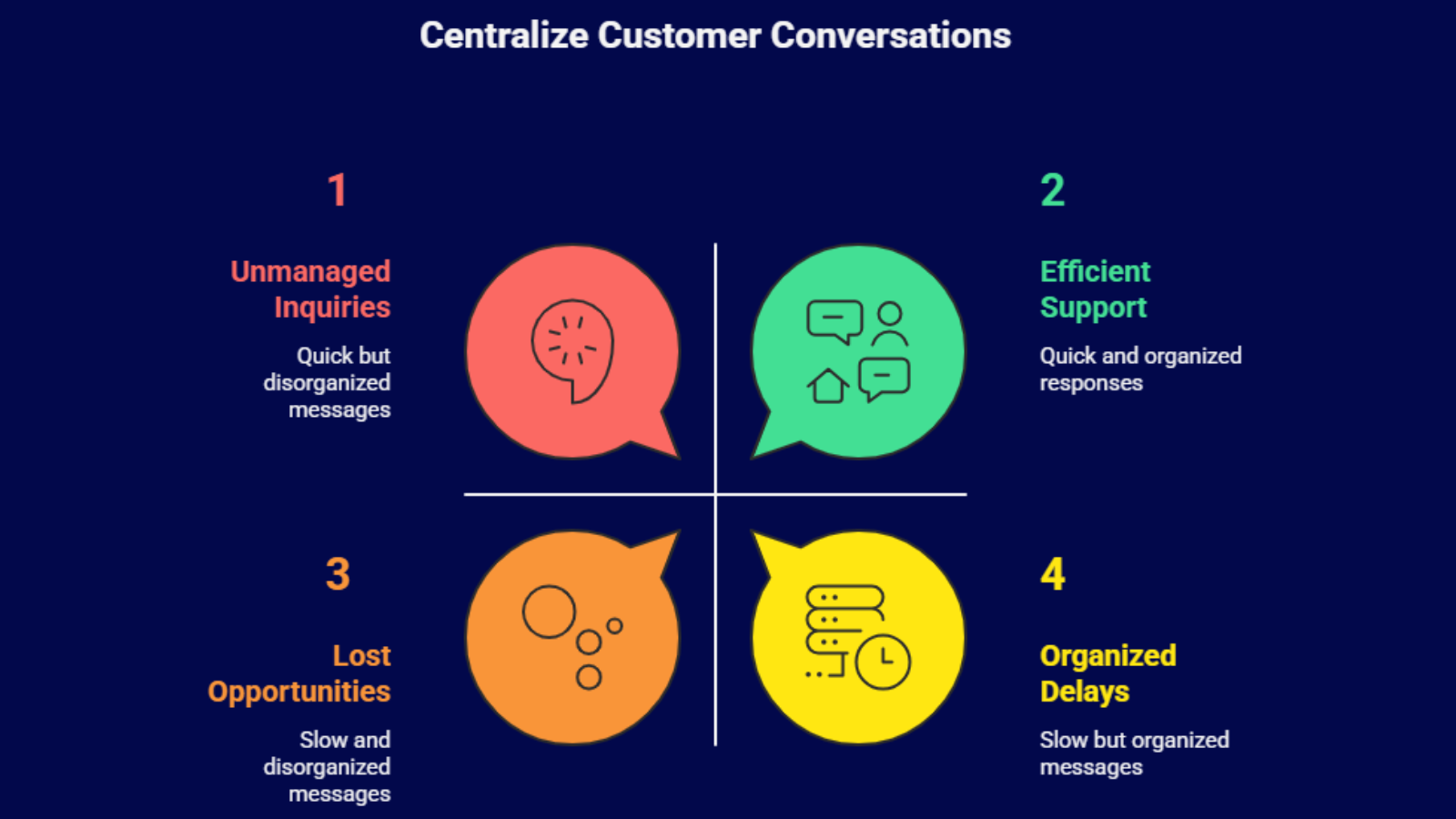 Customer communication becomes difficult when orders come from multiple platforms. Each marketplace has its own messaging system, and customers expect quick responses.
A unified customer service module brings all communication into one place.
Why Indian D2C brands need this
- Over 70 percent of Indian shoppers expect responses within 2 hours.
- Delayed responses often lead to negative reviews or cancellations.
- Brands struggle to track conversations across platforms.
Use cases
- A beauty brand receives customer queries from Amazon, website chat, and social media.
- All conversations appear in one dashboard.
- Support agents can respond faster without switching platforms.
How Base.com stands out
- Centralized communication dashboard for all marketplaces.
- Automated responses for common queries like delivery tracking.
- Integration with order data so agents instantly see customer purchase history.
This improves response time and builds stronger customer trust.
6. WMS: Warehouse Management System for Faster Fulfillment
Fast fulfillment is critical for quick commerce. Dark stores and micro warehouses must process orders within minutes.
A Warehouse Management System helps optimize warehouse operations.
Why Indian brands need this
- Quick commerce orders typically require packing within 90 seconds.
- Poor warehouse processes cause delayed dispatch and canceled orders.
- Inventory errors increase when warehouses scale.
Use cases
- A snack brand operating micro warehouses in Mumbai and Bangalore tracks stock in real time.
- Pick paths help warehouse staff locate products faster.
- Batch picking reduces packing time during peak demand hours.
How Base.com improves warehouse management
- Real-time inventory updates connected with order systems.
- Barcode scanning for accurate SKU picking.
- Automated packing workflows designed for high-volume ecommerce.
For brands expanding into fast delivery networks, efficient warehouse operations are essential.
7. Shipping Management: Automated Dispatch and Courier Integration
 Shipping becomes complex when brands work with multiple logistics partners. Each courier has different service areas, pricing structures, and delivery speeds.
Shipping management tools automate dispatch decisions.
Why Indian D2C brands need this
- Logistics costs can account for 15 to 20 percent of ecommerce revenue.
- Selecting the wrong courier can increase delivery times and returns.
- Manual label generation slows dispatch.
Use cases
- A fashion brand automatically selects the fastest courier for metro cities.
- Shipping labels and invoices are generated instantly after order confirmation.
- Delivery tracking updates customers automatically.
How Base.com does this better
- Integration with multiple courier partners simultaneously.
- Smart courier selection based on cost, delivery speed, and service area.
- Automated tracking updates are sent directly to customers.
This reduces logistics delays and improves delivery reliability.
8. Workflow Automation: Removing Manual Operations
Manual operations are one of the biggest growth barriers for Indian D2C brands. As order volume increases, teams struggle to manage operations manually.
Workflow automation removes repetitive tasks.
Why brands need automation
- Ecommerce teams spend 30 to 40 percent of their time on repetitive operational tasks.
- Manual processes increase human error.
- Automation improves scalability during sales spikes.
Use cases
- Orders automatically move from processing to warehouse picking.
- Out-of-stock products get delisted automatically.
- High-priority orders route to faster fulfillment centers.
How Base.com stands out
- Advanced rule-based automation for operations.
- Custom workflows tailored for each brand’s operations.
- Integration across marketplaces, inventory, and logistics systems.
This allows brands to scale operations without expanding their team significantly.
9. Base Connect: Simplifying Supplier and Partner Collaboration
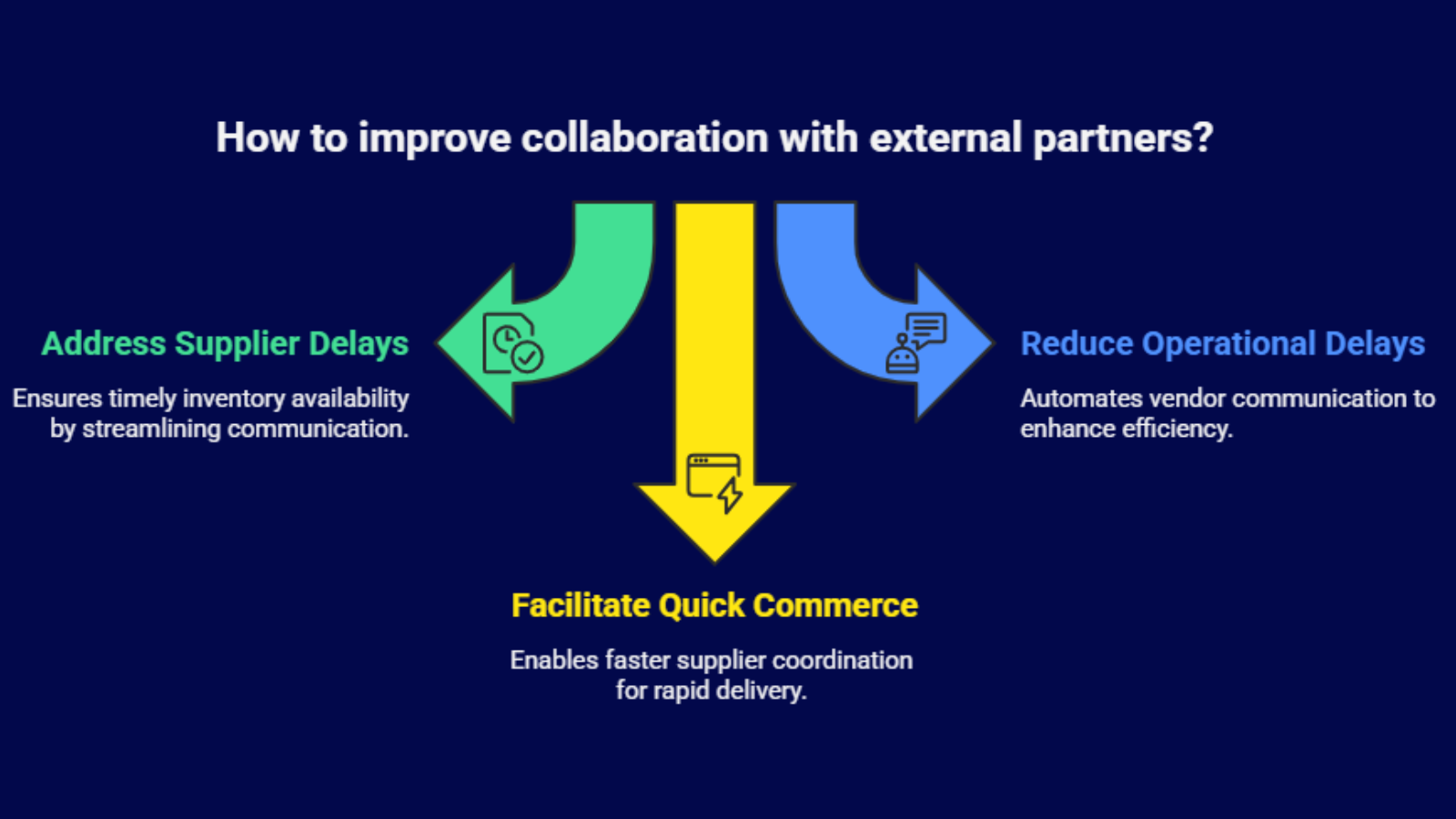 Many Indian D2C brands rely on external partners such as manufacturers, distributors, and B2B retailers.
Base Connect helps brands collaborate with these partners efficiently.
Why this matters
- Supplier delays can disrupt inventory availability.
- Managing vendor communication manually creates operational delays.
- Quick commerce requires faster supplier coordination.
Use cases
- A packaged foods brand shares inventory requirements with suppliers automatically.
- Distributors can access product catalogs and place orders directly.
- Supply chain updates sync with warehouse systems.
How Base.com improves collaboration
- Secure supplier portals for order and inventory visibility.
- Real-time communication between partners and brands.
- Integrated procurement and inventory workflows.
This helps brands maintain consistent supply chains as demand grows.
10. AI for Ecommerce: Predicting Demand and Improving Operations
Artificial intelligence is becoming increasingly important for ecommerce operations.
AI systems analyze large data sets to predict demand, optimize inventory, and improve decision-making.
Why AI matters for Indian D2C brands
- Demand spikes during festivals like Diwali can increase orders 3 to 5 times.
- Poor demand forecasting leads to overstock or stockouts.
- Quick commerce requires accurate inventory planning.
Use cases
- AI predicts demand for high-selling SKUs in specific cities.
- Brands stock products closer to demand zones.
- Automated insights help optimize pricing and promotions.
How Base.com integrates AI
- Predictive analytics for inventory planning.
- Automated demand forecasting models.
- Data-driven insights that help brands plan operations more efficiently.
This allows sellers to make faster and more accurate decisions.
11. Base Analytics: Turning Ecommerce Data into Growth Insights
 Data visibility is one of the biggest gaps for growing D2C brands. Sales data often remains scattered across platforms, making it difficult to analyze performance.
Analytics tools help brands understand trends and make smarter decisions.
Why analytics matters
- Data-driven brands grow 23 percent faster on average.
- Identifying top-performing SKUs helps optimize marketing and inventory.
- Sales trends vary significantly across regions in India.
Use cases
- A skincare brand identifies top selling products in Mumbai vs Bangalore.
- Marketing campaigns adjust based on conversion data.
- Inventory planning improves with demand insights.
How Base.com improves analytics
- Unified dashboard combining orders, inventory, and sales data.
- Real-time reporting across marketplaces and warehouses.
- Automated performance insights that guide growth strategies.
For Indian D2C sellers, analytics becomes the foundation for scaling operations efficiently.
Choosing the Right Order Management Platform
Not every system is built for quick commerce speed. Companies must choose solutions designed for real-time operations.
What to Look For
- Real-time order processing
- Integration with warehouse and delivery tools
- Multi-location inventory support
- Automated order routing
- Scalable cloud infrastructure
Running a 30-minute delivery business requires more than just fast riders. It requires the right technology foundation that connects orders, warehouses, and deliveries without delays.
Base.com provides a powerful platform designed to simplify complex commerce operations. If you are searching for the best order management system in India, Base.com can help you centralize orders, automate workflows, and scale your operations smoothly.
Book a demo with Base.com and see how the right order management platform can power your quick commerce growth.



[…] is more recent than the incumbents’, which shows in API design and in how it handles quick commerce order […]