base.blogFEFO Inventory Management warehouse automation

TagFEFO Inventory Management warehouse automation

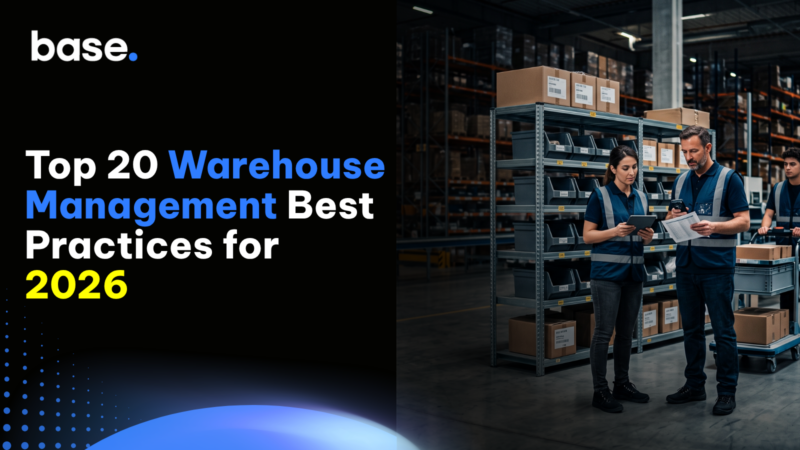
Top 20 Warehouse Management Best Practices for 2026

T
Warehouse management best practices for 2026 showing warehouse workers managing inventory and operations in a modern warehouse

The warehouse management best practices to follow in 2026 start with one fact: inefficient warehousing drives up logistics costs by 15-25%, while a properly implemented system cuts operational costs by up to 30% and improves order accuracy by 20-30%. India’s warehousing footprint is projected to reach 516 million square feet by 2026, up from 344 million square feet in 2023, a 50% increase...
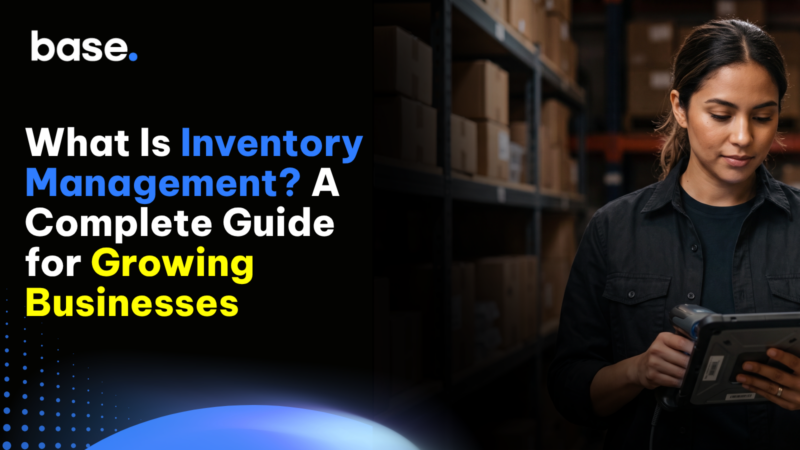

What Is Inventory Management? A Complete Guide for Growing Businesses

W
Inventory management guide showing a warehouse worker using a handheld device to manage stock

Inventory management is the process of tracking, controlling, and optimising stock as it moves from supplier to warehouse to customer. It answers three questions in real time: what you have, where it is, and how much you need to reorder. For Indian sellers running multiple channels, the right inventory management system in India replaces manual stock counts with automated, real-time visibility...

COD Order Management: How Smart D2C Brands in India Handle Cash on Delivery at Scale

C
COD order management in India showing how D2C brands handle cash on delivery, verification, fulfillment, and reconciliation at scale

COD order management in India is not a payment method problem. It is an operational infrastructure problem. The brands struggling with RTO, remittance delays, and working capital strain are not struggling because they offer COD. They are struggling because their systems were not built to manage COD at scale. COD still accounts for approximately 45% of Indian D2C orders, down from higher levels a...

Top 10 Inventory Management Techniques Every Business Should Know

T
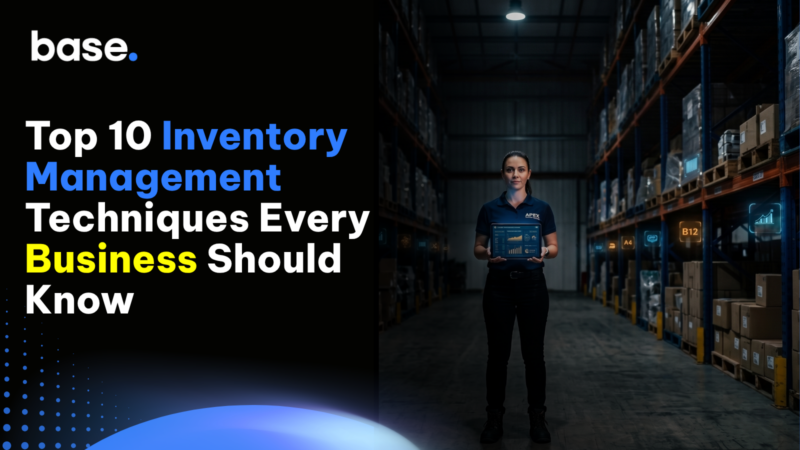
Inventory management techniques showing how businesses can improve fill rates through better stock control and warehouse processes

The right inventory management techniques to increase fill rates start with visibility and end with discipline. Only 6.2% of businesses report a perfect 100% fill rate, and 44% experience stockouts at least once a month, according to a 2026 survey of 400 operators.  India’s ecommerce market is approximately $226 billion, and fill rate directly determines how much of that demand actually...

Returns Management in D2C: How an OMS Reduces Reverse Logistics Costs in India

R
Returns management in D2C India showing how an OMS can reduce reverse logistics costs and improve return processing

Returns management in D2C India is one of the most expensive operational problems a growing brand faces, and one of the least systematically solved. Most founders track forward logistics obsessively: cost per shipment, courier performance, and delivery SLA. Returns get managed reactively. A courier drops a bag at the warehouse. Someone inspects it eventually. The unit either gets restocked or...

How to Manage Inventory Across Multiple Warehouses Efficiently

H
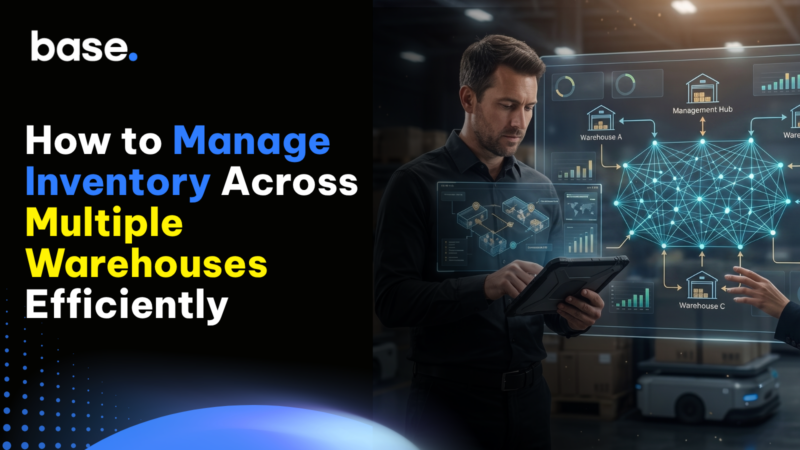
Multi-warehouse inventory management guide showing how businesses can coordinate stock across multiple warehouse locations

How to manage inventory across warehouses efficiently comes down to four connected layers working together: one shared stock ledger, smart order-to-warehouse allocation, GST-compliant interstate transfer handling, and warehouse-level reconciliation. Miss any one layer and the other three cannot fully compensate, since a brand with perfect allocation logic still oversells if its underlying stock...

Inventory Management System in India: Features That Actually Matter for Growing D2C Brands

I
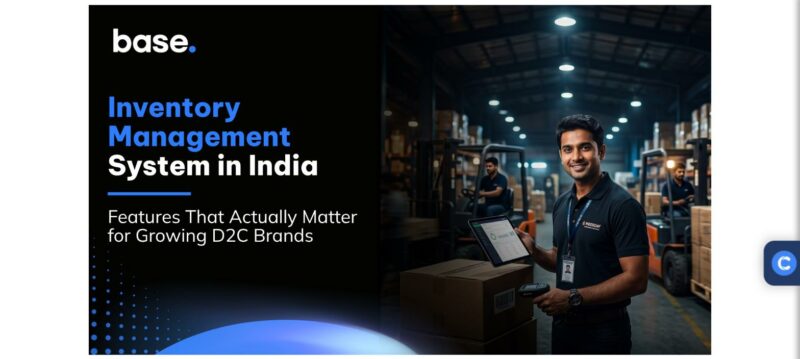
Base.com inventory management system in India — warehouse worker checking stock on a tablet

An inventory management system in India does one job: it keeps the number your system shows and the number in your warehouse the same. When those two numbers diverge- and they always do without the right system- you oversell on channels, stock out on bestsellers, hold dead inventory you cannot see, and make procurement decisions on data that is already wrong. For Indian D2C brands operating...

D2C Ecommerce in India 2026: 50+ Stats on Order Volumes, Returns & Fulfillment Costs 

D
D2C ecommerce in India 2026 statistics covering order volumes, returns, fulfillment costs, inventory, and operational performance

Every founder, operator, and investor making decisions about Indian D2C right now needs to be working from the same set of verified numbers.  The D2C ecommerce India statistics in 2026 collected here cover market size, order volumes, geographic expansion, COD dynamics, RTO rates, fulfillment costs, retention benchmarks, and operational performance, pulled from Unicommerce, Mordor Intelligence...

Ecommerce ERP vs OMS in India: What’s the Difference and Which One Does Your Brand Actually Need?

E
ERP software concept showing enterprise resource planning and business processes managed through a centralized system

ERP vs OMS ecommerce in India is one of the most searched and most misunderstood software decisions that Indian D2C founders face as they scale. Both systems touch inventory, orders, and fulfillment. The overlap in surface-level descriptions makes the choice feel harder than it is. The confusion is understandable. Businesses that handle physical products often reach a point where spreadsheets...

How to Manage Inventory Across Multiple Warehouses Efficiently

H
Multi-warehouse inventory management guide showing how businesses can coordinate stock across multiple warehouse locations

How to manage inventory across warehouses efficiently comes down to four connected layers working together. These are one shared stock ledger, smart order-to-warehouse allocation, GST-compliant interstate transfer handling, and warehouse-level reconciliation. Miss any one layer, and the other three cannot fully compensate. A brand with perfect allocation logic still oversells if its stock ledger...

Time of publication
Category
Tags