Retail in India has changed rapidly because customer behavior has changed first. Today, a shopper might see a product on Instagram, check stock on the brand’s website, visit a nearby store, and still expect delivery the same day. This is why brands can no longer operate stores, online channels, and delivery as separate systems. They must connect everything through a strong omnichannel fulfillment strategy.
This shift is even more important in India because quick commerce is growing extremely fast. The Indian quick commerce market is expected to reach $5–6 billion by 2025, led by Blinkit, Zepto, and Swiggy Instamart. At the same time, India’s D2C market is projected to cross $100 billion by 2027. When these two trends meet, brands must build systems that support both fast delivery and multi-channel selling.
Retailers that successfully adopt an omnichannel fulfillment strategy are seeing measurable benefits. Industry studies show that omnichannel retailers retain up to 89 percent of customers compared to about 33 percent for single-channel businesses. The reason is simple. Customers stay loyal to brands that offer flexible buying and faster fulfillment.
However, blending stores, online commerce, and instant delivery requires strong operational planning. Many Indian brands struggle here because they underestimate how retail plus quick commerce actually works at the ground level.
Operational realities Indian D2C sellers often miss
Many Indian founders assume quick commerce is simply another sales channel. In reality, it requires a completely different operational design.
- Delivery radius defines success: Quick commerce works within 2–5 km delivery zones. Brands relying only on a central warehouse in cities like Bangalore or Mumbai cannot support instant delivery. This is why store dark store integration is becoming essential.
- Stores are turning into fulfillment nodes: Several Indian beauty and fashion brands now ship 20–35 percent of online orders from stores instead of warehouses. This improves delivery speed and reduces last-mile costs.
- Inventory visibility is a hidden growth lever: Many brands lose 5–8 percent revenue annually due to stock mismatches between stores, warehouses, and marketplaces. This is one of the most common D2C ops mistakes.
- Quick commerce favors fast-moving SKUs: Dark stores typically carry 800 to 1500 SKUs, which means brands must prioritize top-selling products instead of listing full catalogs.
These realities are pushing brands toward unified commerce D2C systems. By connecting inventory, stores, and fulfillment through one omnichannel fulfillment strategy, companies can support both traditional retail and retail plus quick commerce without operational chaos.
The Role of Physical Stores in Modern D2C Commerce
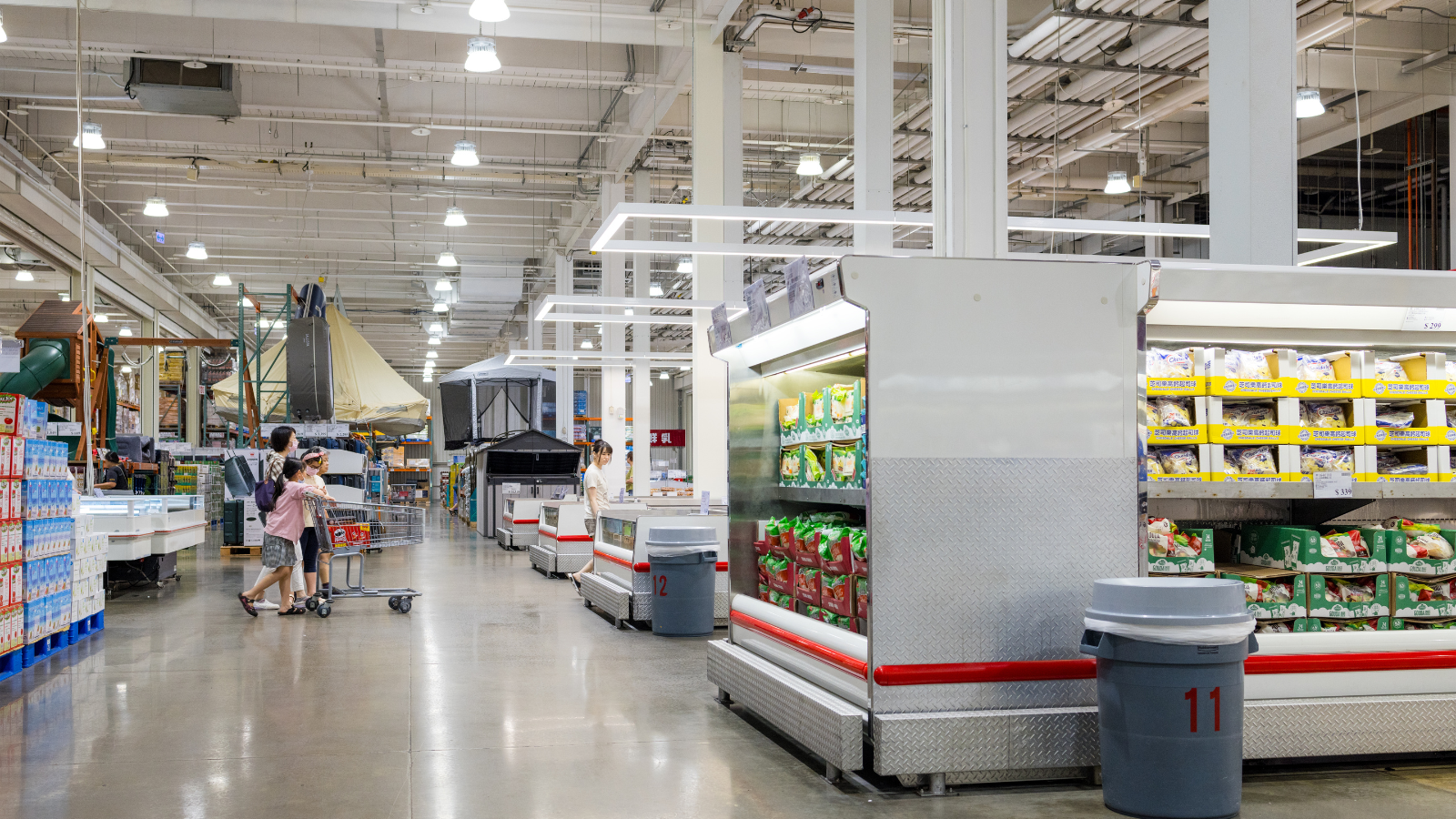 Many brands assumed that online commerce would replace stores. The opposite has happened.
Physical stores are now becoming fulfillment hubs inside the omnichannel fulfillment strategy. Retail locations can act as mini warehouses that support online orders and quick deliveries.
Research from McKinsey shows that stores are increasingly being used as distribution nodes inside omnichannel networks. (McKinsey & Company)
This transformation is driving store dark store integration, where stores support both walk-in shoppers and digital fulfillment.
How stores support retail plus quick commerce
- Ship-from-store for online orders
- Local inventory storage for faster delivery
- In-store pickups for online purchases
- Micro fulfillment centers inside retail locations
When stores are connected to digital systems, they become a critical part of unified commerce D2C operations.
Failing to integrate stores properly is one of the most common D2C ops mistakes.
The Operational Model Behind Retail Plus Quick Commerce
Blending instant delivery with omnichannel retail requires a very different operational design from traditional ecommerce. Most Indian D2C brands still rely on a single warehouse model, usually in logistics clusters like Bhiwandi, Delhi NCR, or Bangalore outskirts. This works for 2–5 day delivery timelines, but fails when customers expect delivery within 30–60 minutes.
Quick commerce operates on a hyperlocal fulfillment model. Orders are fulfilled within a 2–4 km radius, which means inventory must be distributed across multiple nodes, such as stores and dark stores. This is where a strong omnichannel fulfillment strategy becomes critical.
Modern retail plus quick commerce operations typically run on five interconnected infrastructure layers.
| Component | Role in the ecosystem |
|---|---|
| Central warehouse | Bulk inventory storage and city-level replenishment |
| Retail stores | Customer experience plus ship-from-store fulfillment |
| Dark stores | High-speed picking locations for quick commerce orders |
| Delivery partners | Hyperlocal last-mile delivery within 10–30 minutes |
| OMS platform | Real-time order routing and inventory visibility |
This structure enables store dark store integration, where inventory can dynamically move between stores, dark stores, and warehouses depending on demand. For example, many Indian skincare and personal care brands now store top 50–100 fast-moving SKUs inside dark stores, while long tail products remain in warehouses.
 There are several operational nuances Indian D2C sellers often overlook when entering retail plus quick commerce.
First, quick commerce demand is extremely localized. Data from hyperlocal delivery platforms shows that nearly 60 percent of orders in metro cities come from just 20 percent of micro-clusters. Brands that distribute inventory evenly across cities usually face stockouts in high-demand neighborhoods.
Second, dark stores operate under severe SKU constraints. Most dark stores can support 800–1500 SKUs, compared to 10,000+ SKUs in ecommerce warehouses. This forces brands to rethink merchandising and focus on high-velocity products.
Third, store fulfillment is becoming a major efficiency lever. Brands that adopt store dark store integration and ship online orders from nearby stores can reduce last-mile delivery costs by 15–25 percent and improve delivery speed significantly.
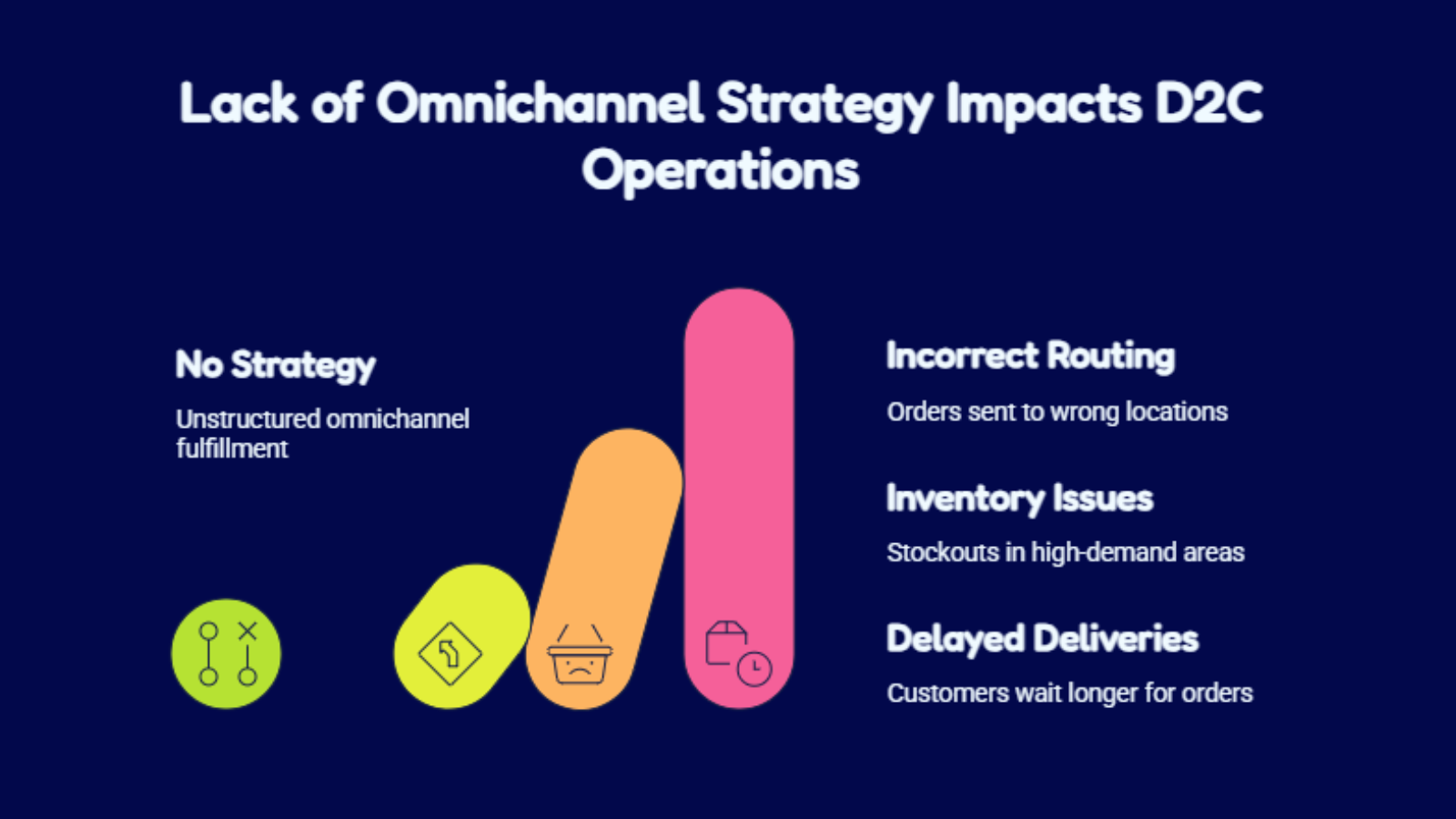
Without a structured omnichannel fulfillment strategy, these operational realities create serious problems. Orders may route incorrectly, inventory may appear available when it is not, and customers may experience delayed deliveries. These operational breakdowns are some of the most expensive D2C ops mistakes growing brands face.
Five Operational Pillars That Make Retail Plus Quick Commerce Work
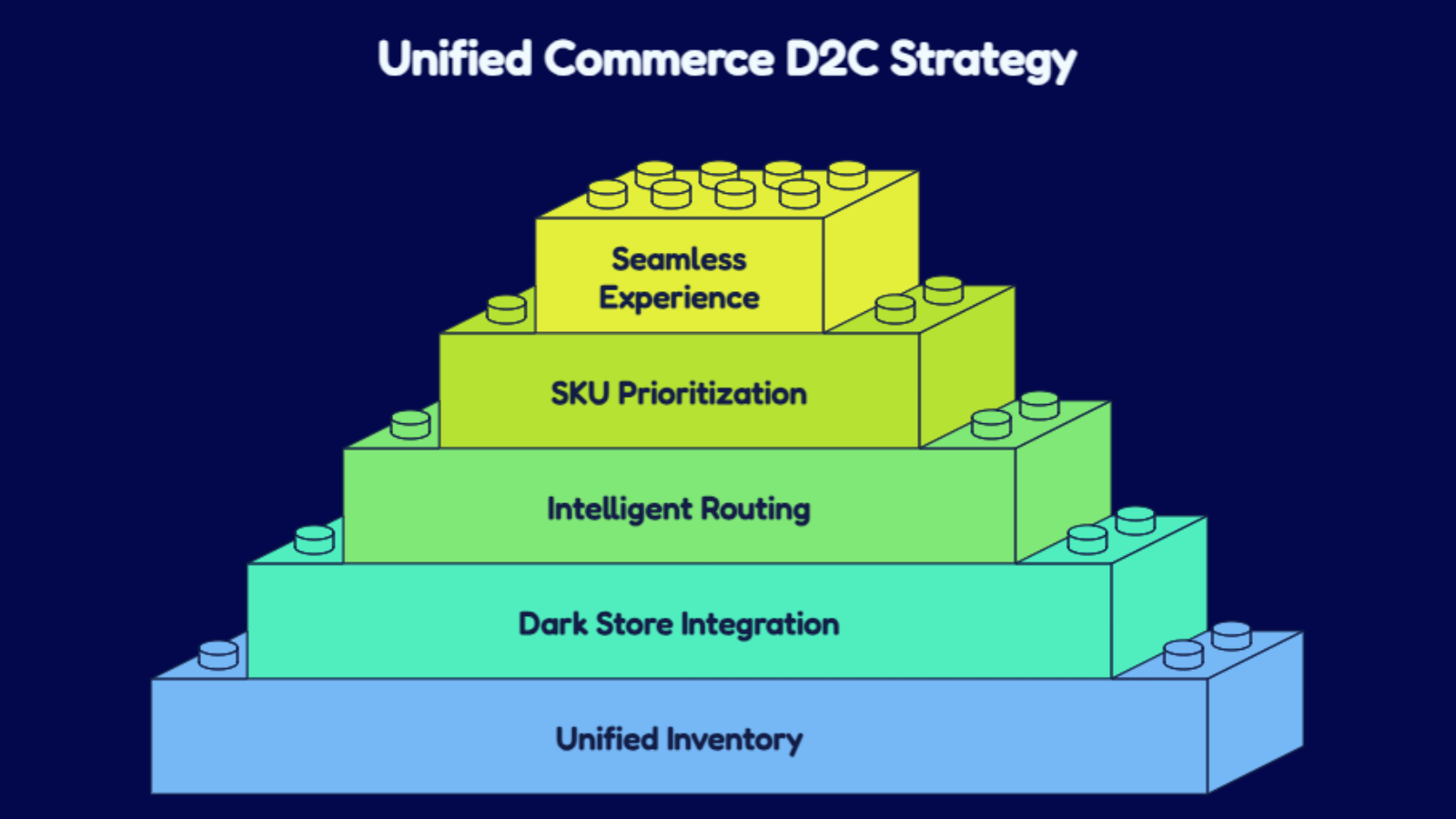 Building a scalable retail plus quick commerce ecosystem requires more than just adding another delivery channel. Indian D2C sellers that succeed in this model usually focus on five operational pillars that connect supply chain, inventory, and customer experience.
1. Unified inventory visibility across all channels
Many Indian brands unknowingly operate four separate inventory pools for marketplaces, their own website, retail stores, and quick commerce platforms. This fragmentation causes overselling and missed revenue opportunities. Industry estimates suggest that inventory mismatch leads to 5–8 percent revenue loss annually for ecommerce brands.
A strong omnichannel fulfillment strategy creates a single inventory layer across all channels. This allows accurate stock visibility and is the foundation of unified commerce D2C operations.
2. Store dark store integration for hyperlocal fulfillment
Quick commerce cannot function with centralized warehouses alone. Brands must place inventory closer to customers. Through store dark store integration, retail locations can act as micro fulfillment hubs while partner dark stores handle ultra-fast deliveries.
Several Indian fashion and beauty brands now fulfill 30–40 percent of online orders directly from stores, reducing delivery time by up to one day and lowering last-mile costs.
3. Intelligent order routing to optimize delivery speed
Every order should not ship from the same location. An advanced order management system automatically selects the best fulfillment node based on inventory availability, customer location, delivery SLA, and store capacity.
Brands that implement intelligent routing reduce delivery times by 20–30 percent while improving inventory utilization. Poor routing logic is one of the most common D2C ops mistakes in omnichannel expansion.
4. SKU prioritization for quick commerce channels
Quick commerce platforms reward brands that optimize their SKU mix. Because dark stores operate under strict capacity limits, only top-selling products get shelf space. Successful brands typically allocate their top 10–15 percent SKUs that generate nearly 60 percent of demand to quick commerce channels.
Categories like skincare, packaged snacks, beverages, and daily essentials perform especially well in retail plus quick commerce environments.
5. Seamless customer experience across channels
The final pillar of unified commerce D2C is a consistent customer experience. Buyers should be able to discover products online, check store inventory instantly, choose home delivery or store pickup, and return products anywhere.
Brands that enable these options see stronger loyalty. Research shows omnichannel shoppers spend up to 30 percent more over their lifetime compared to single-channel buyers.
When these five pillars work together, the omnichannel fulfillment strategy becomes scalable. Indian D2C brands can expand into retail plus quick commerce, leverage store dark store integration, and avoid costly D2C ops mistakes that often appear during rapid growth.
Operational Challenges in Retail Plus Quick Commerce and How Leading Brands Solve Them
 Expanding into retail plus quick commerce often exposes operational gaps that many D2C brands do not anticipate. Many Indian sellers scale quickly through marketplaces, brand websites, and quick commerce apps, but continue running operations on fragmented systems.
This leads to stock errors, delayed fulfillment, and rising delivery costs. Leading brands solve these problems through a combination of order management systems, inventory management systems, warehouse management systems, and last-mile integrations that power a strong omnichannel fulfillment strategy. Below are five key challenges and how successful brands address them.
1. Fragmented inventory across channels
Many Indian D2C brands operate with separate stock pools for marketplaces, brand websites, retail stores, and quick commerce platforms. When inventory systems are not connected, stock levels become inaccurate. According to industry estimates, Indian ecommerce brands lose 5–8 percent of their annual revenue due to inventory mismatches and stockouts.
Leading brands solve this by implementing real-time inventory management systems integrated with their ecommerce platform and order management layer. Inventory from warehouses, stores, and dark stores sync automatically every few seconds. This creates a single source of truth across all channels and forms the foundation of unified commerce D2C operations.
2. Slow order routing that increases delivery time
Many brands still route orders manually or ship everything from central warehouses in Bhiwandi, Delhi NCR, or Bangalore. This dramatically increases delivery time. In quick commerce, where deliveries happen within 10–30 minutes, routing decisions must be automated.
Modern brands use Order Management Systems integrated with location intelligence and delivery APIs. These systems evaluate distance to the customer, store inventory availability, warehouse stock levels, and delivery partner capacity before assigning fulfillment. This enables true store dark store integration, allowing orders to be fulfilled from the closest node.
3. Poor SKU allocation for quick commerce
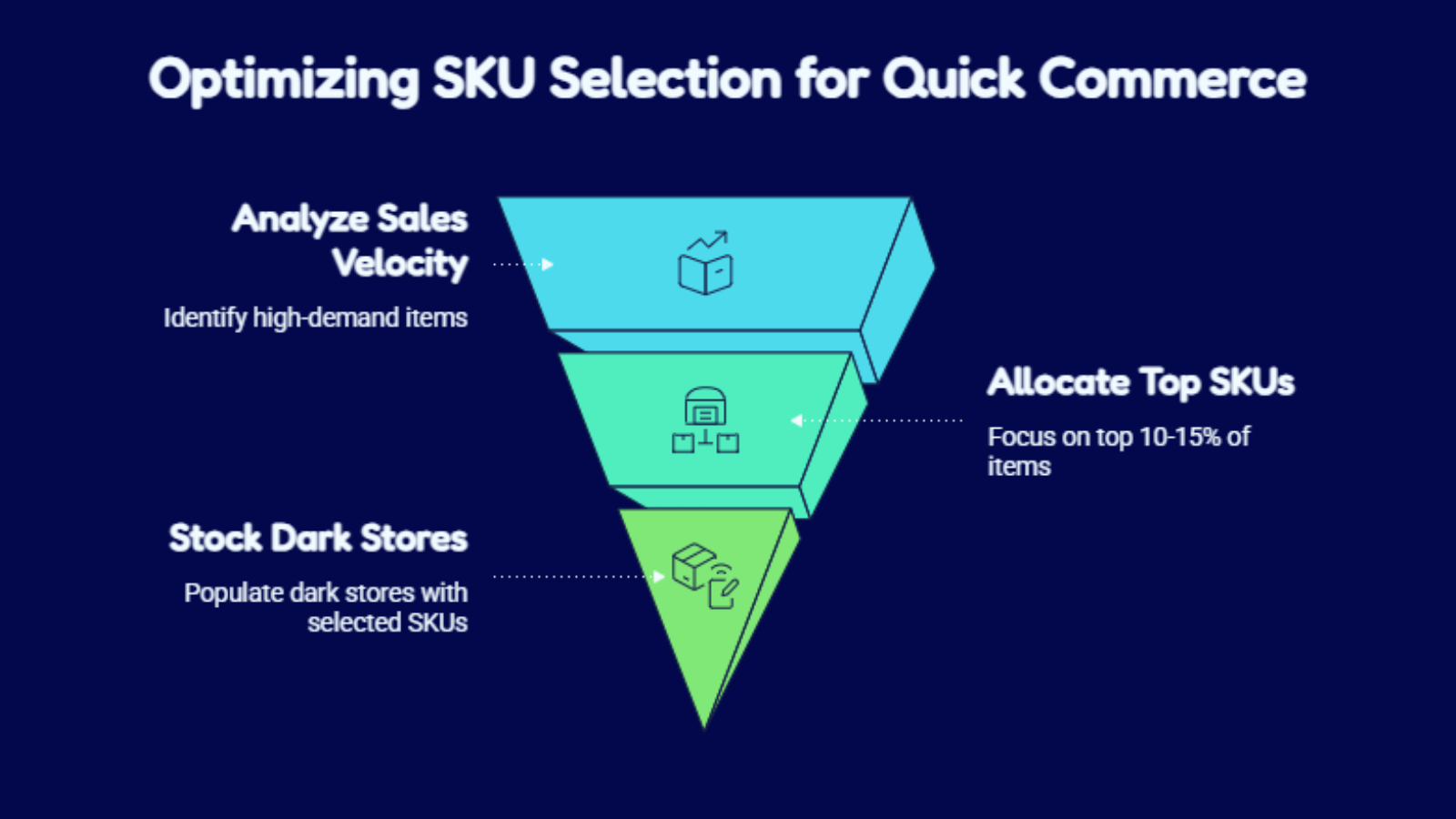 Quick commerce operates under strict SKU limits. A typical dark store can hold 800–1500 SKUs, while ecommerce catalogs often exceed 10,000 SKUs. Many brands make the mistake of pushing their full catalog into quick commerce platforms, which leads to slow inventory movement.
Leading brands analyze sales velocity using inventory analytics tools integrated with OMS dashboards. They typically allocate the top 10–15 percent of SKUs that generate nearly 60 percent of demand to dark stores. This improves turnover rates and ensures faster replenishment cycles.
4. Retail stores not integrated into fulfillment
A major opportunity many Indian sellers miss is using retail stores as fulfillment hubs. Stores are usually located closer to customers than warehouses and can significantly improve delivery speed.
Brands that implement ship-from-store workflows using OMS and POS integrations now fulfill 30–40 percent of online orders from stores. This approach strengthens the omnichannel fulfillment strategy, improves delivery times, and reduces last-mile costs by 15–25 percent.
5. Demand spikes during quick commerce peaks
Quick commerce demand is highly concentrated during evening hours, weekends, and major sale events. Without scalable infrastructure, brands experience order backlogs and fulfillment delays.
Leading companies manage this using warehouse management systems, order orchestration tools, and delivery partner integrations that dynamically distribute orders across warehouses, stores, and dark stores. During peak hours, the system automatically shifts fulfillment loads between nodes, reducing delivery delays by 20–30 percent.
For Indian D2C sellers entering retail plus quick commerce, building a connected technology stack that includes OMS, IMS, WMS, POS integration, and delivery orchestration tools is critical. These systems enable true store dark store integration, prevent costly D2C ops mistakes, and allow brands to scale their omnichannel fulfillment strategy without operational chaos.
Conclusion
 Retail is no longer about choosing between stores, ecommerce, or delivery. The real advantage comes from combining all three into one connected system.
When brands build a strong omnichannel fulfillment strategy, integrate stores with dark stores, and adopt unified commerce D2C, they create a retail engine that is faster, more efficient, and far more customer-friendly.
But success depends on operational discipline. Avoiding common D2C ops mistakes, implementing strong store dark store integration, and designing scalable retail plus quick commerce systems will determine which brands lead the next phase of commerce.
If your brand is scaling fast and trying to solve complex fulfillment challenges, the right operational platform can make a massive difference.
Base.com helps D2C brands build scalable omnichannel fulfillment strategy frameworks, connect stores and warehouses, and eliminate costly D2C ops mistakes.
If you are planning retail plus quick commerce expansion or unified commerce D2C operations, explore how Base.com can help streamline your fulfillment infrastructure.
Frequently Asked Questions
1. How should a D2C brand transition from traditional ecommerce to an omnichannel fulfillment strategy?
Brands should start by connecting inventory across warehouses, stores, and online channels using integrated inventory and order management systems. This allows sellers to enable ship-from-store, local fulfillment, and faster delivery without creating separate inventory pools.
2. When is the right time for a D2C brand to start selling on quick commerce platforms?
Brands should consider quick commerce once they see strong demand in metro cities and have consistent repeat purchases. Categories like beauty, snacks, and personal care perform well because they support frequent buying cycles and fast delivery expectations.
3. How do brands decide which SKUs should go to quick commerce dark stores?
Quick commerce locations usually support 800–1500 SKUs, so brands should prioritize fast-moving products. Typically, the top 10–15 percent of SKUs generate nearly 60 percent of demand, making them ideal for quick commerce inventory placement.
4. How can retail stores support online and quick commerce fulfillment?
Retail stores can operate as micro fulfillment hubs through ship-from-store workflows. When integrated with inventory and order management systems, stores can fulfill nearby orders faster and reduce last-mile delivery costs by up to 20–25 percent.
5. What technology stack is required to support retail plus quick commerce?
Brands typically need an ecommerce platform, inventory management system, order management system, warehouse management system, POS integration, and delivery partner integrations. Together, these systems enable real-time inventory visibility and scalable omnichannel fulfillment operations.