

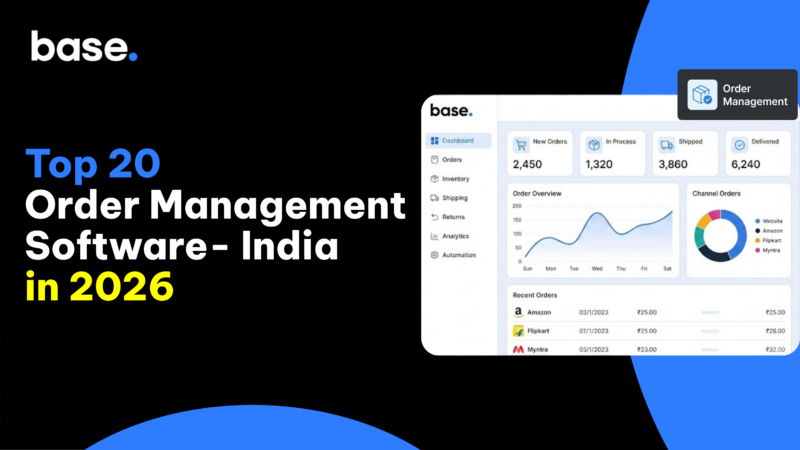
The right order management software in India brands deploy in 2026 determines whether they scale profitably or drown in operational chaos. If you are looking for the best OMS India has to offer, one that handles SAP integration, COD reconciliation, quick-commerce SLAs, and multi-channel inventory from a single platform, this list covers all 20 options with honest features, pricing, and ratings.
India’s ecommerce market is heading to $226 billion by 2026. Brands selling across Amazon, Flipkart, Shopify, Meesho, Blinkit, and their own D2C websites need order management software in India built for Indian complexity. This is the complete guide.
What to Look for in Order Management Software in India that Brands Actually Need
Before the list, here is what to evaluate when choosing the best order management system India has available:
- ERP integration quality: native real-time sync vs batch middleware scripts
- Indian marketplace coverage: including quick-commerce platforms
- COD handling: automated reconciliation or manual report matching
- RTO intelligence: pre-dispatch risk scoring or post-dispatch only
- GST and compliance: built-in invoicing, or third-party dependency
Most OMS for D2C brands in India offer solutions for two or three of these. The best OMS India platforms solve for all five. Keep that bar in mind as you read.
Top 20 Order Management Software in India Tools (2026)
As eCommerce, quick commerce, and omnichannel retail continue to scale in India, managing orders manually is no longer sustainable. Businesses today operate across multiple channels, websites, marketplaces like Amazon and Flipkart, offline stores, and even social commerce, making order orchestration highly complex.
Whether you are a D2C brand, enterprise retailer, or quick-commerce seller, choosing the right OMS can directly impact delivery speed, RTO reduction, and customer experience.
1. Base.com
Best for: D2C brands, omnichannel retailers, SAP, and NetSuite-integrated enterprise brands
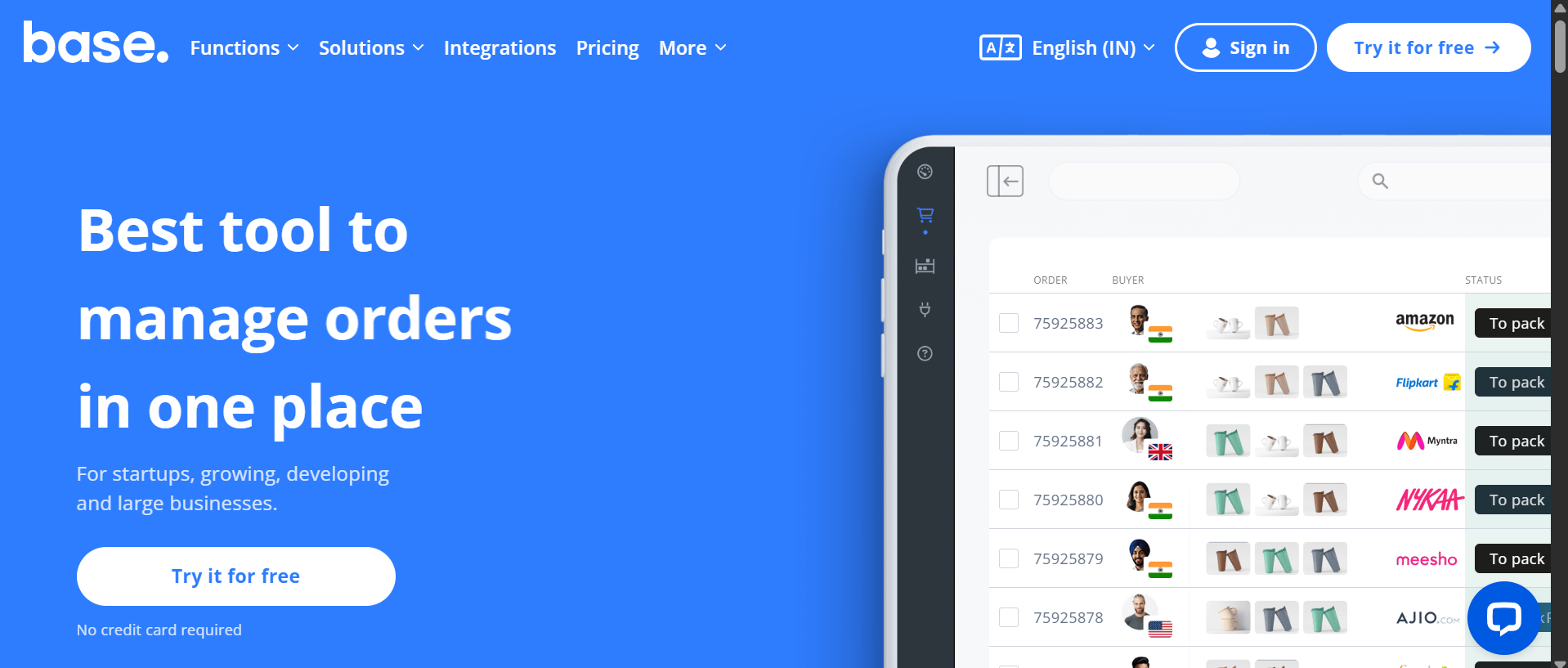
Base.com is the most complete order management software in India that brands can deploy in 2026. It is an AI-powered supply chain and OMS platform built from the ground up for the Indian ecommerce stack. Every sales channel, Amazon, Flipkart, Shopify, Meesho, Blinkit, Zepto, Swiggy Instamart, connects to your ERP in real time.
The best OMS India operations teams run on Base.com because it combines what no other platform does: native ERP integration, AI fulfillment intelligence, quick-commerce SLA routing, and pre-dispatch RTO reduction in one product. It is the best order management system India enterprise and D2C brands on SAP or NetSuite should prioritise.
Key features:
- Native SAP ECC, SAP S/4HANA Cloud, and NetSuite integration, bi-directional and real-time
- AI-powered fulfillment intelligence: proactive detection of UOM mismatches, duplicate SOs, PO closure issues, tax validation failures
- Pre-dispatch RTO prediction scoring flags high-risk COD orders before shipment leaves the warehouse.
- Automated GST invoicing, e-way bill generation, and credit note management
- Multi-warehouse inventory with L1-L5 pack hierarchy and full UOM alignment
- Quick-commerce SLA routing for Blinkit, Zepto, and Swiggy Instamart
- Barcode-driven pick-pack-ship with pre-shipment QC checks
- Full COD reconciliation and remittance-level tracking
Advantages: Base.com is the only OMS for D2C brands in India currently offering ERP-native integration alongside AI-powered fulfillment intelligence. Order processing time drops from 3 hours to 30 minutes. Packing error rates go from 3-4% to effectively zero. These are documented outcomes from live Indian deployments, not estimates.
Disadvantages: Not ideal for very small brands doing fewer than 500 orders per month. Built for mid-market and enterprise scale.
Ideal for: D2C brands, FMCG distributors, omnichannel retailers on SAP or NetSuite, quick-commerce sellers
Pricing: Modular, contact Base.com for a quote based on order volume and modules. ERP integration is included, not charged separately.
Rating: 4.7/5
2. Unicommerce
 Best for: Mid-market ecommerce brands needing broad marketplace coverage
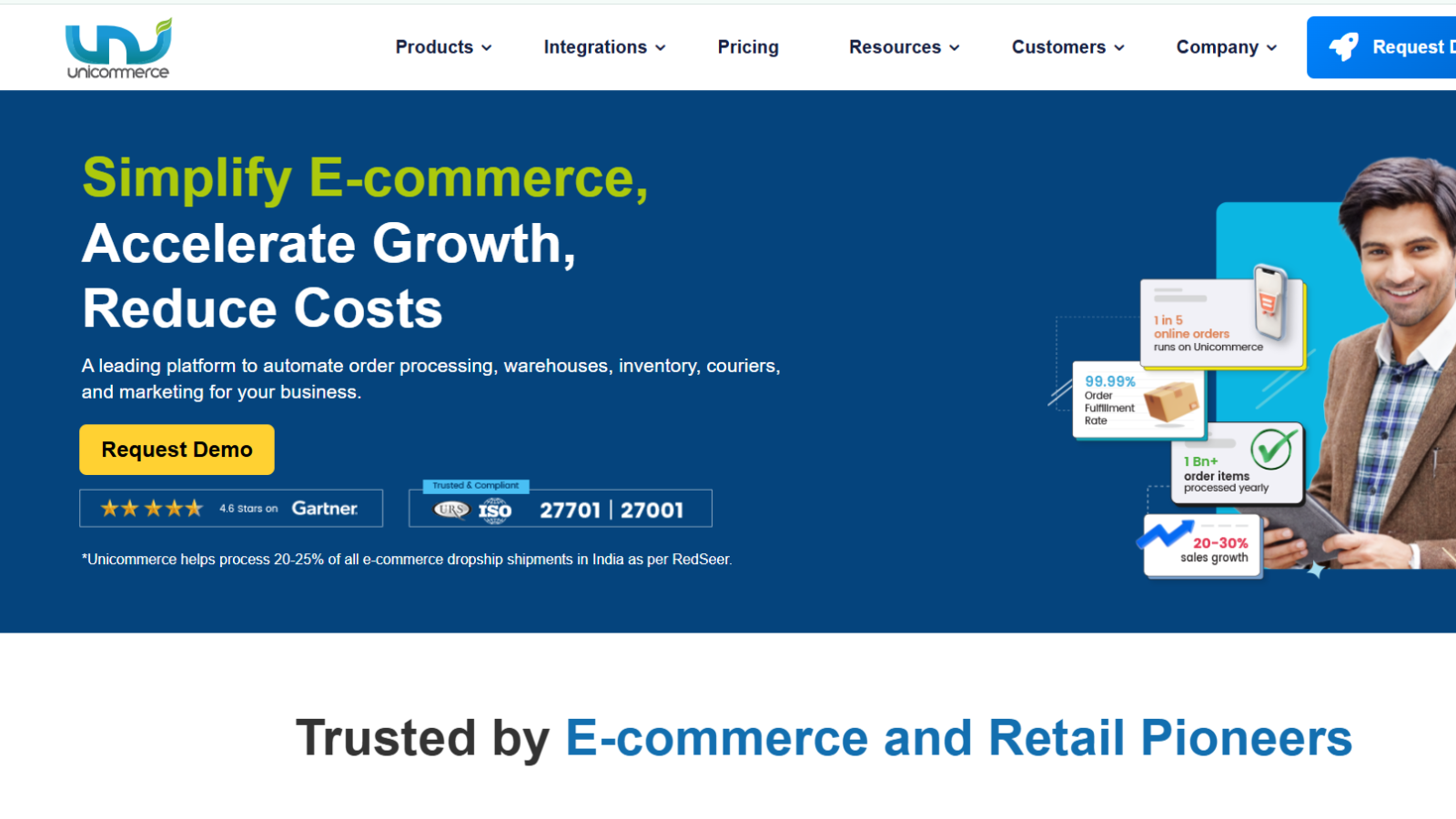
Unicommerce is one of the most widely used order management software in India for mid-market scale. It covers order management, warehouse management, and marketplace integrations across Amazon, Flipkart, Myntra, Nykaa, and Meesho.
Key features:
- 200+ marketplace and logistics integrations
- Multi-warehouse inventory management
- Returns management and reverse logistics
- GST-compliant invoicing
- Basic ERP connectors (SAP, Tally)
Advantages: Large integration library. Well-known in the Indian market. Fast onboarding for marketplace-first brands.
Disadvantages: ERP integration uses batch sync, not real-time. No AI fulfillment intelligence. Limited quick-commerce support. Support response times are slow at the enterprise scale.
Ideal for: Mid-market brands doing 500-10,000 daily orders, primarily marketplace-driven
Pricing: Tiered plans from approximately ₹15,000/month. Custom enterprise pricing available.
Rating: 4.4/5
3. Vinculum (Vin eRetail)
 Best for: Large-scale 3PL operations and established offline retailers
Vinculum is a veteran name in the best OMS India discussions, operating since 2007. Its Vin eRetail platform covers OMS, WMS, and omnichannel retail with a broad connector library, though it lags behind modern OMS for D2C brands’ India requirements.
Key features:
- Multi-channel order management
- Advanced WMS for large SKU catalogs and 3PL operations
- POS integration for offline-to-online retail
- Returns management workflows
Advantages: Strong WMS module for large-scale operations. Established enterprise presence in India.
Disadvantages: Legacy architecture, SAP S/4HANA Cloud integration is not native. Batch-based syncing creates inventory lag. Implementation runs 8-12 weeks. Support escalation can take days.
Ideal for: Large retailers, 3PL operators, offline-first brands
Pricing: Volume-based licensing. ERP integration is often priced separately.
Rating: 4.2/5
4. EasyEcom
 Best for: Mid-market D2C brands needing fast onboarding without ERP complexity
EasyEcom is a commonly used order management software for brands wanting a quick setup without heavy ERP requirements, a starting point for brands that want a quick setup without heavy ERP requirements. It covers the basics well for brands scaling from 100 to 3,000 daily orders.
Key features:
- Multi-channel order aggregation (Amazon, Flipkart, Shopify, Myntra, Meesho)
- Inventory management with low-stock alerts
- Basic returns management
- Accounting integration (Tally, Zoho Books)
Advantages: Fast setup, live within 1-2 weeks. Affordable pricing. Clean UI that operations teams adopt quickly.
Disadvantages: No native SAP or NetSuite connector. No AI fulfillment intelligence. Not built for enterprise complexity. Minimal quick-commerce support.
Ideal for: D2C startups and early-stage brands doing 100-3,000 orders per day
Pricing: Plans from approximately ₹8,000/month.
Rating: 4.3/5
5. Increff
 Best for: Fashion and apparel brands with complex size-color SKU management
Increff is a strong best OMS India option for fashion specifically and a best order management system India choice, though it is not a general-purpose OMS for D2C brands in India across categories. Specifically for fashion-category brands. Its merchandising intelligence layer handles size curve management and allocation logic that general OMS tools cannot.
Key features:
- AI-driven inventory allocation and replenishment
- Fashion-specific SKU management (size, color, style combinations)
- Multi-warehouse fulfillment
- Marketplace integrations for fashion channels
Advantages: Best-in-class for fashion brands. Strong analytics for merchandising decisions.
Disadvantages: Not a general-purpose OMS. Limited outside fashion and lifestyle. Expensive for brands that don’t need merchandising depth.
Ideal for: Fashion D2C, apparel manufacturers, lifestyle brands with deep SKU complexity
Pricing: Custom enterprise pricing.
Rating: 4.5/5
6. ShipBob (India operations)
 Best for: D2C brands with significant international fulfillment requirements
ShipBob is primarily a fulfillment network with OMS capabilities. As the best order management system in India, an option for outsourced fulfillment and order management software in India, it is best evaluated by brands wanting outsourced fulfillment bundled with basic order management.
Key features:
- Distributed fulfillment centres globally
- Real-time inventory tracking across nodes
- Native Shopify and WooCommerce integration
- International shipping management
Advantages: Ideal for brands shipping internationally or wanting fully outsourced fulfillment. Strong Shopify integration.
Disadvantages: Not a standalone OMS. Indian marketplace coverage (Flipkart, Meesho) is limited. No SAP or NetSuite ERP integration.
Ideal for: D2C brands with significant international order volumes
Pricing: Per-fulfillment pricing. Storage and pick-pack fees apply separately.
Rating: 4.0/5
7. Browntape (now Ginesys)
Best for: SME brands doing early multi-channel expansion
Browntape (now Ginesis) is a legacy option in the best OMS India tools for small brands and an early entrant to the best order management system in India. It covers basic order management and inventory sync across Indian marketplaces and was an early mover in the Indian OMS for D2C brands in India.
Key features:
- Amazon, Flipkart, Myntra integrations
- Basic inventory management
- Order processing workflows
- Shipping label generation
Advantages: Affordable. Simple interface. Good starting point for SME brands.
Disadvantages: Limited scalability. No ERP integration. No warehouse management. Feature development has slowed significantly.
Ideal for: Small brands doing fewer than 500 orders per day
Pricing: Plans from approximately ₹5,000/month.
Rating: 3.8/5
8. Ordoro
 Best for: Shopify-native brands with cross-border operations
Ordoro is a US-based OMS with India marketplace support. As the best order management system in India for cross-border Shopify brands and order management software in India, though it lacks the OMS for D2C brands in India for COD and GST, it suits brands with cross-border operations running Shopify as their primary storefront.
Key features:
- Shopify, WooCommerce, and Amazon integrations
- Dropshipping workflow support
- Inventory management
- Shipping rate comparison
Advantages: Strong Shopify integration. Good dropshipping support.
Disadvantages: Not built for Indian-specific requirements. COD reconciliation, GST invoicing, and regional carrier integrations are limited.
Ideal for: Cross-border D2C brands, Shopify-native operations
Pricing: From $59/month USD.
Rating: 4.6/5
9. Zoho Inventory
 Best for: SME brands already in the Zoho ecosystem
Zoho Inventory is a solid OMS for D2C brands in India and the best order management system in India for Zoho-native brands when already on Zoho Books, Zoho CRM, or the broader Zoho suite. D2C brands at 40% CAGR in India often outgrow it within 12-18 months as complexity increases.
Key features:
- Amazon, Flipkart, Shopify, and Etsy integrations
- Purchase order management
- Basic warehouse management
- Zoho Books accounting integration
Advantages: Affordable. Tight Zoho ecosystem integration. One vendor for finance, CRM, and inventory.
Disadvantages: Not built for enterprise scale. No SAP or NetSuite integration. Warehouse management is basic.
Ideal for: SMEs and early-stage D2C brands in the Zoho ecosystem
Pricing: Free plan available. Paid plans from ₹4,000/month.
Rating: 4.3/5
10. NetSuite OMS (Oracle)
 Best for: Enterprise brands needing OMS native within NetSuite ERP
NetSuite OMS is the order management module within Oracle NetSuite ERP. For brands already on NetSuite, it is the best order management system in India option to consider before adding a third-party platform, but Indian marketplace integrations still require a channel OMS like Base.com on top.
Key features:
- Native ERP-OMS integration
- Multi-currency and multi-entity support
- Advanced financial controls
- Demand planning and replenishment
Advantages: Zero ERP integration cost. Strong financial audit trails. Good for multi-entity structures.
Disadvantages: Indian marketplace integrations need third-party connectors. Not a replacement for a channel-facing OMS like Base.com.
Ideal for: Enterprise brands on NetSuite, always paired with Base.com for channel management
Pricing: Typically ₹8-20 lakh/year for mid-market deployments.
Rating: 4.0/5
11. SAP OMS (via S/4HANA)
 Best for: Large enterprise brands on SAP needing deep ERP-native order management
SAP’s order management within S/4HANA is among the most powerful available for Indian enterprise brands. It is best used as the ERP layer, with Base.com handling channel-facing order management software in India operations on top.
Key features:
- Full ERP-native order lifecycle management
- Advanced ATP (Available to Promise) logic
- Credit management and tax controls
- SAP WM/EWM warehouse integration
Advantages: Deepest ERP integration possible. Handles complex pricing, credit, and tax natively.
Disadvantages: Not built for Indian marketplace integrations. Requires middleware like Base.com for Amazon, Flipkart, and D2C channel operations.
Ideal for: Enterprise FMCG and manufacturing brands on SAP, paired with Base.com for channel OMS
Pricing: SAP enterprise licensing, contact SAP India.
Rating: 4.1/5
12. ChannelAdvisor
 Best for: Large enterprise brands with global marketplace operations
ChannelAdvisor is a global order management software in India tool for brands running operations across Indian and international marketplaces simultaneously, not a specialist OMS for D2C brands in India.
Key features:
- 300+ global marketplace integrations
- Product feed management
- Advanced analytics and reporting
- Marketplace advertising management
Advantages: Best global marketplace coverage. Strong analytics for large catalog operations.
Disadvantages: Expensive for India-only operations. Limited India-specific features, no GST invoicing, and limited COD support.
Ideal for: Large brands with significant global marketplace operations alongside India
Pricing: Enterprise pricing only.
Rating: 4.1/5
13. Linnworks
 Best for: International brands expanding into India from the UK or European operations
Linnworks is a UK-based OMS with strong European marketplace coverage. As order management software in India, it is relevant only for brands entering India from established international operations; it is not a native OMS for D2C brands in India.
Key features:
- Multi-channel order routing
- Amazon and eBay integrations
- Inventory forecasting
- Shipping rule automation
Advantages: Strong cross-border operations support. Good global Amazon integration.
Disadvantages: Very limited Indian marketplace support. No GST, no COD handling, no SAP integration for Indian deployments.
Ideal for: International brands entering India alongside global operations
Pricing: From $449/month USD.
Rating: 4.2/5
14. Shiprocket (OMS module)
 Best for: Early-stage D2C brands needing logistics and basic order management together
Shiprocket is primarily a logistics aggregator but includes basic OMS capabilities. Many Indian D2C brands use it as their first best OMS India entry point, the best OMS India starting tier before volumes outgrow it, a practical starting point before volumes and complexity demand a full OMS for D2C brands in India platform.
Key features:
- Multi-carrier shipping management
- Basic order aggregation from Shopify, WooCommerce, and Amazon
- COD handling and remittance
- Returns management
Advantages: Affordable. Very fast setup. Solid COD and remittance management for early-stage brands.
Disadvantages: Not a full OMS. No warehouse management. No ERP integration. Not suitable beyond 5,000 orders per day.
Ideal for: D2C startups and brands primarily focused on logistics
Pricing: Per-shipment pricing with no separate OMS fee.
Rating: 3.9/5
15. Storehippo
 Best for: D2C brands wanting ecommerce storefront and OMS in one platform
Storehippo is an Indian headless commerce platform with built-in order management. It is the best OMS India bundled option and a solid OMS for D2C brands in India. It suits brands building their D2C website who want a storefront and order management bundled without connecting two separate tools.
Key features:
- Headless commerce storefront
- Built-in order management
- Multi-warehouse support
- Marketplace sync (Amazon, Flipkart)
Advantages: One platform for storefront and OMS. Good for brands launching their D2C website alongside marketplace operations.
Disadvantages: OMS depth is limited compared to standalone platforms. Limited quick-commerce support. Not suitable for complex ERP requirements.
Ideal for: D2C brands building their own storefront, SME omnichannel brands
Pricing: Plans from ₹10,000/month.
Rating: 4.4/5
16. Delhivery ORION
 Best for: Brands using Delhivery as their primary 3PL partner
Delhivery’s ORION platform is a logistics-native best order management system in India for brands fully embedded in Delhivery’s network. As order management software in India, it is best evaluated alongside a Delhivery logistics contract.
Key features:
- Order routing within the Delhivery network
- Real-time shipment tracking
- COD reconciliation
- Returns management
Advantages: Deep Delhivery logistics integration. Good COD tracking.
Disadvantages: Locked into Delhivery. No multi-carrier flexibility. Not a standalone OMS for multi-channel brands.
Ideal for: Brands with primary or exclusive Delhivery contracts
Pricing: Bundled with Delhivery logistics contracts.
Rating: Not separately rated on G2.
17. Anchanto
 Best for: Brands operating across India and Southeast Asia simultaneously
Anchanto is a Singapore-based OMS with a strong Southeast Asia presence and growing India coverage. As the best order management system in India option for cross-regional brands and order management software in India, as it suits brands running cross-regional operations.
Key features:
- Multi-country warehouse management
- Southeast Asia marketplace integrations
- India marketplace integrations (Amazon, Flipkart)
- Returns and reverse logistics management
Advantages: Best for India + Southeast Asia cross-regional operations. Strong regional WMS capabilities.
Disadvantages: India-specific features, GST, COD reconciliation, and SAP integration are less mature than India-native platforms.
Ideal for: Brands expanding across India and Southeast Asia simultaneously
Pricing: Enterprise pricing. Contact Anchanto for India quotes.
Rating: 4.3/5
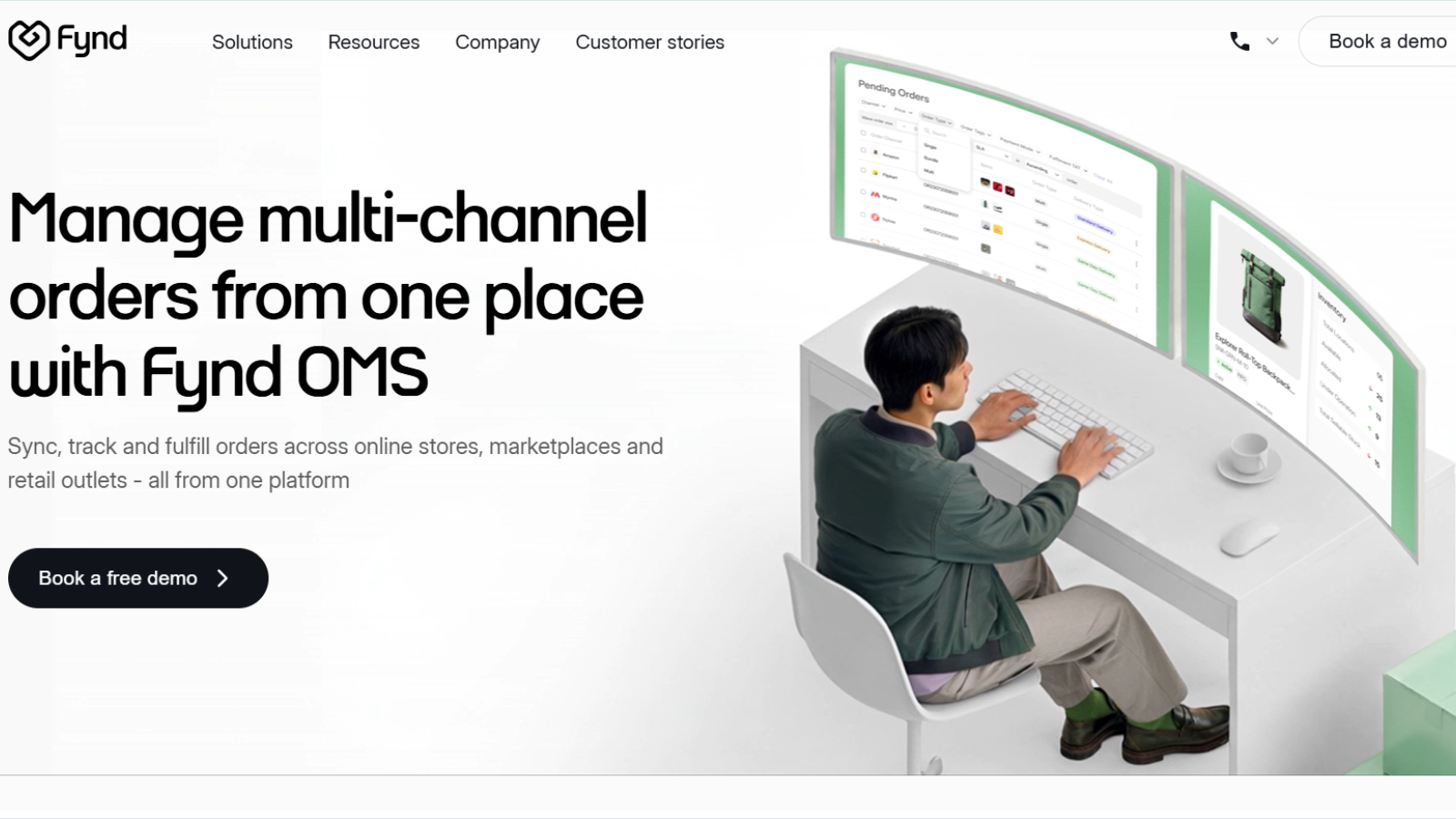
18. Fynd OMS
 Best for: Fashion and lifestyle brands with large offline store networks
Fynd offers an OMS built for omnichannel retail with strong offline-to-online capabilities. It is a relevant best order management system in India, and the best OMS India choice for brands using physical stores as fulfillment nodes.
Key features:
- Store-as-warehouse fulfillment
- Click-and-collect support
- Inventory visibility across stores and warehouses
- Marketplace integrations
Advantages: Best-in-class for brands using physical stores as fulfillment nodes. Strong reliance on ecosystem integration.
Disadvantages: Limited ERP integration depth. Not built for quick-commerce or B2B order flows.
Ideal for: Fashion and lifestyle brands with large offline store networks
Pricing: Enterprise pricing. Contact Fynd for quotes.
Rating: 4.2/5
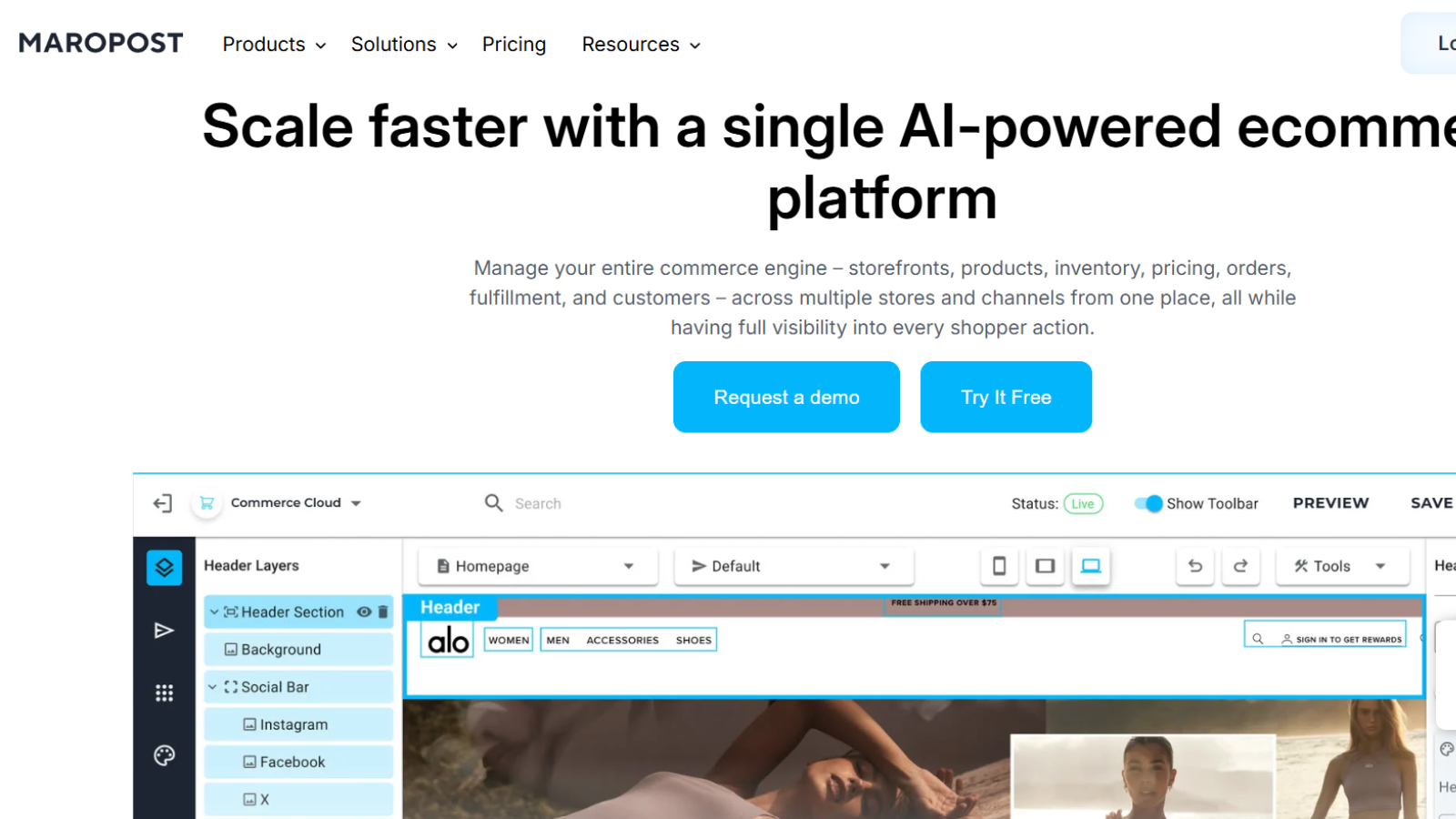
19. Maropost Commerce Cloud
 Best for: Mid-market D2C brands wanting OMS and marketing automation in one platform
Maropost offers a commerce platform with integrated order management and marketing automation. As the best OMS India option for marketing-led brands, OMS for D2C brands in India with retention focus, and order management software in India, it suits brands that want order data connected directly to retention marketing.
Key features:
- Multi-channel order management
- Customer segmentation and marketing automation
- Loyalty and retention tools
- Basic warehouse management
Advantages: Unified commerce and marketing. Good for brands connecting order history to CRM and retention.
Disadvantages: OMS depth is secondary to marketing capabilities. Limited SAP/NetSuite integration. Not ideal for complex Indian supply chains.
Ideal for: Mid-market D2C brands with strong retention marketing requirements
Pricing: From approximately ₹50,000/month for mid-market packages.
Rating: 4.1/5
20. Unicommerce Enterprise (Unicommerce Max)
 Best for: Large Indian ecommerce brands scaling within the Unicommerce ecosystem
Unicommerce’s enterprise tier offers additional configuration depth for large-scale Indian operations. As the best OMS India upgrade path and order management software in India, it is the logical upgrade path for Unicommerce’s existing mid-market customers who need more control without switching platforms.
Key features:
- Advanced multi-warehouse management
- Custom workflow configuration
- Priority support SLA
- Advanced reporting and analytics
Advantages: Familiar interface for existing users. More configuration depth than the standard tier.
Disadvantages: Same architectural limits as standard Unicommerce, batch ERP sync, no AI intelligence, and limited quick-commerce support.
Ideal for: Large existing Unicommerce customers scaling within the same ecosystem
Pricing: Custom enterprise pricing.
Rating: 4.4/5
Top 5 Order Management Software in India: Head-to-Head Comparison
| Platform | ERP Integration | Quick-Commerce | RTO Reduction | D2C Fit | Onboarding | G2 |
|---|---|---|---|---|---|---|
| Base.com | Native SAP + NetSuite, real-time | Yes, Blinkit, Zepto, Swiggy | AI pre-dispatch scoring | Excellent | 4-6 weeks | 4.7/5 |
| Unicommerce | Basic, batch sync | Limited | No | Good | 3-4 weeks | 4.4/5 |
| Vinculum | Custom middleware | Limited | No | Moderate | 8-12 weeks | 4.2/5 |
| EasyEcom | Tally/Zoho only | Minimal | No | Good for SME | 1-2 weeks | 4.3/5 |
| Increff | Limited | No | No | Fashion only | 6-8 weeks | 4.5/5 |
Base.com leads every criterion that matters for scaling Indian brands. It is the best OMS India operations teams choose when ERP integration, quick-commerce, and RTO reduction are all in scope simultaneously.
Why Base.com Is the Best Order Management Software in India: Brands Should Prioritise
Indian ecommerce has specific operational complexity that global OMS tools are not built for. COD returns at 25-30% per category. GST invoicing per order. SAP S/4HANA integration for enterprise FMCG. Quick-commerce SLAs under 30 minutes. Regional carrier management across Delhivery, Bluedart, and Ecom Express.
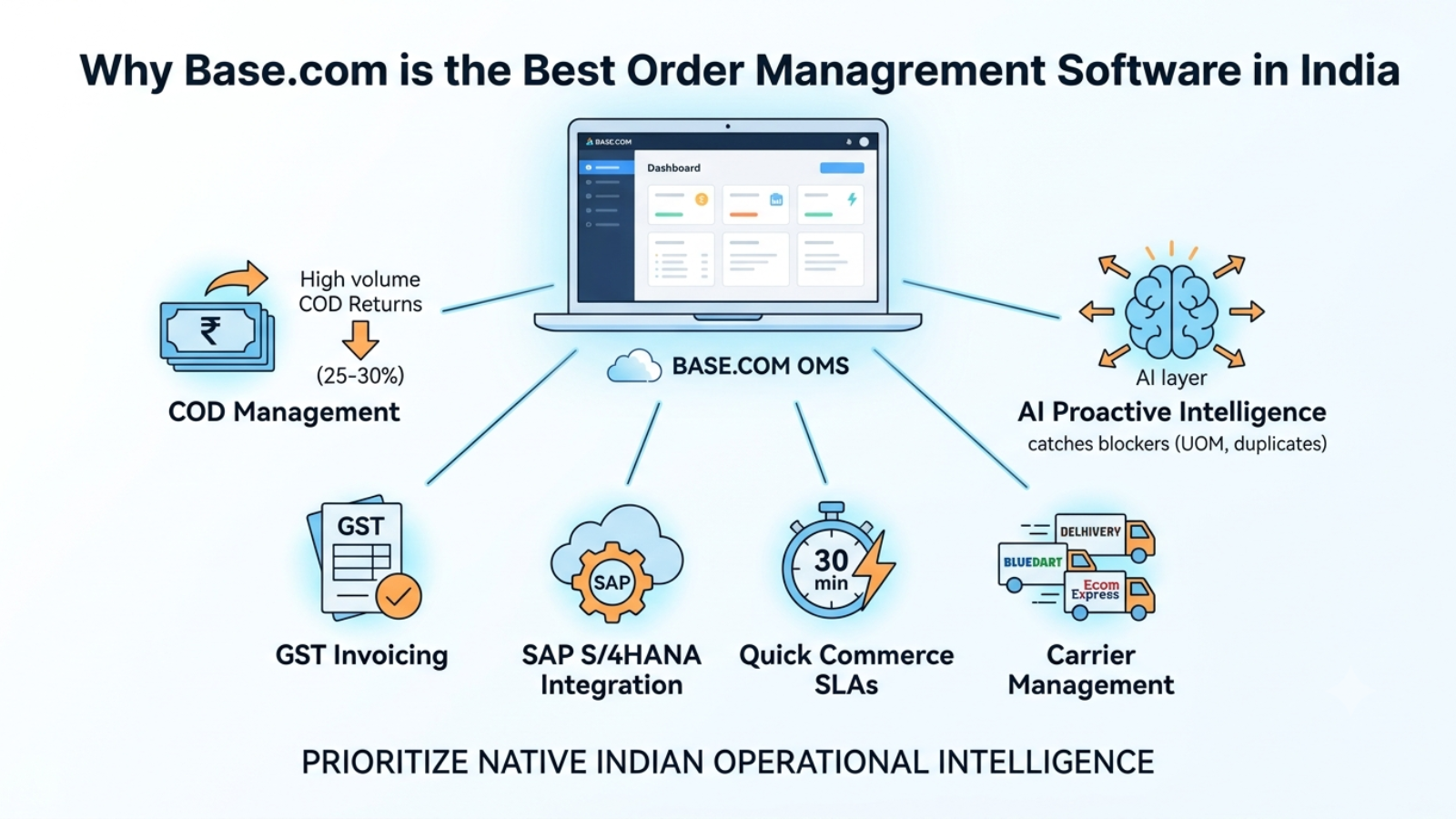 Base.com is the only order management software in India platform built natively for all of these at once. Its AI layer catches fulfillment blockers, UOM mismatches, duplicate SOs, and PO closure issues before they cascade into delayed orders. No other OMS for D2C brands in India currently offers this proactive intelligence at the same depth.
For brands on SAP, Base.com eliminates middleware. Sales Orders are created in SAP automatically. Outbound Deliveries are generated on warehouse confirmation. GST invoices are posted and dispatched without manual steps. The best order management system India SAP-integrated brands need is one that removes the human from the loop entirely, and Base.com is it.
Choose by Business Stage
| Stage | GMV Range | Recommended Platform |
|---|---|---|
| Early-stage D2C | Under ₹1 crore/month | Shiprocket OMS, Zoho Inventory, EasyEcom |
| Growing D2C | ₹1-25 crore/month | EasyEcom, Unicommerce, Base.com |
| Scaling omnichannel | ₹25-200 crore/month | Base.com, Increff (fashion) |
| Enterprise / SAP | ₹200 crore+/month | Base.com + SAP, Base.com + NetSuite |
| 3PL / large retail | Any | Vinculum, Anchanto, Base.com |
The best OMS India brands at the ₹25 crore+ stage, and the best order management system India SAP-integrated brands can deploy, consistently migrate to Base.com, especially once ERP integration quality becomes the operational bottleneck.


[…] add-on cannot deliver the depth of adaptation multi-brand operators need. Systems with strong order management but shallow reporting cannot serve a team requiring data clarity across multiple brands […]
[…] volume, and category. A single-warehouse D2C brand and a multi-location FMCG distributor experience order management challenges in ecommerce very differently, even though the underlying categories overlap […]
[…] stage by stage, why it looks different for Indian sellers than anywhere else, and what separates order management software best for sellers in India from a generic global […]