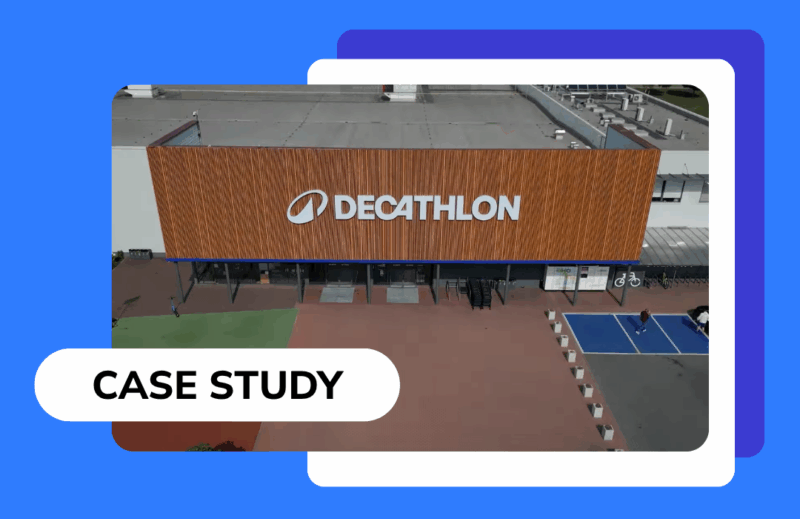
Decathlon Case Study
D

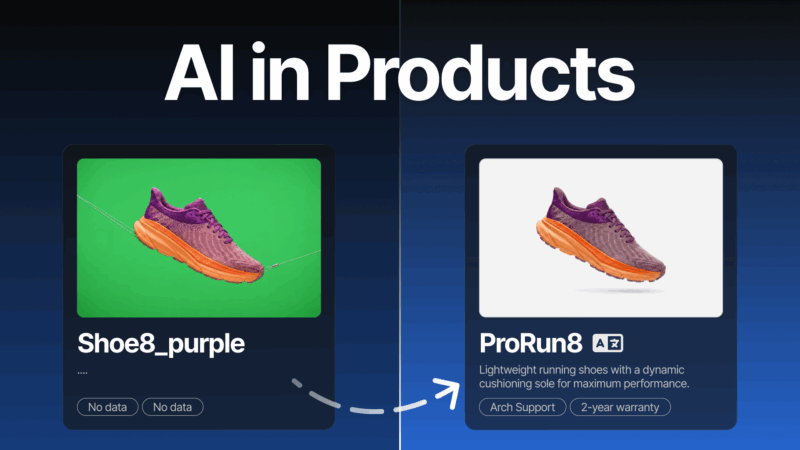
Titles, descriptions, translations and product images — four things that can easily eat up a week of work when you manage a large ecommerce catalogue. In Base’s Products module, AI works directly inside the product record. You can generate content for a single product or in bulk for entire product groups, in a style that matches your brand. Watch the video to see how it works in practice. This is...
Product Manager & Order Manager (OMS) API New methods for adding and retrieving locations New API methods have been added for adding locations and retrieving location data. Warehouse New advanced filters for warehouse documents New advanced filters are now available when filtering warehouse documents: Invoice number Receipt number Correction number Products (PIM) New bulk product operation:...
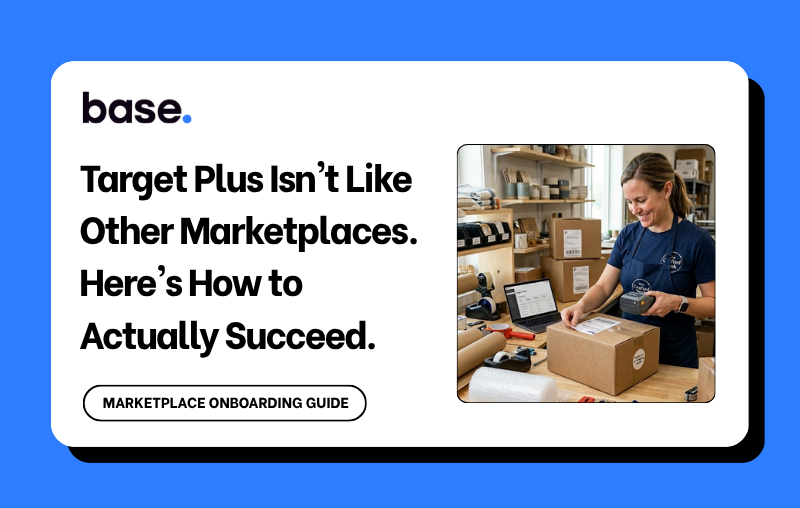
Target Plus is not like other marketplaces. You cannot sign up and start selling. There is no self-serve integration or onboarding. Target hand-selects the brands it works with, and the product data requirements are stricter than anything you will encounter on Amazon or Walmart. That exclusivity is exactly what makes it valuable. For the right brand in the right category, Target Plus is...
Quick commerce has fundamentally changed how customers buy everyday products in India. Platforms like Blinkit, Zepto, and Instamart promise delivery in 10–20 minutes, which means inventory must already be available in nearby dark stores before a customer even places an order. For D2C brands selling through these platforms, this creates a very different operational reality. If a product goes out...
Customer expectations around delivery speed have changed rapidly in India. A few years ago, same-day delivery felt fast. Today, customers in cities like Bengaluru, Mumbai, and Delhi expect groceries, snacks, and daily essentials in 10 to 20 minutes. Platforms such as Blinkit and Zepto now operate 400 to 800 dark stores across major metros, each serving customers within a 1.5 to 3 km radius. This...
Quick commerce has changed how people buy everyday products in India. Instead of planning weekly grocery trips, customers now open apps like Blinkit, Zepto, or Instamart and expect delivery in 10 to 20 minutes. This behavior shift is already visible in order patterns. Industry data shows that over 70% of quick commerce orders are top-up purchases, meaning customers buy only a few items they need...
Fast delivery has changed how people shop online. A customer opens Zepto, Blinkit, Swiggy Instamart, Flipkart Minutes, or Amazon Fresh, adds a few items, and the order arrives in about ten minutes. For a D2C brand, this speed directly affects product discovery and repeat purchases. But this speed is powered by a dense network of dark stores placed within 2–3 km of customers. Platforms like...
If you run an ecommerce business doing meaningful volume across multiple channels, someone has probably told you that you need an Order Management System. They are right. What they might not have told you is that the OMS you actually need looks very different from what enterprise retailers and legacy software vendors have been selling for the last two decades. The honest answer in 2026: most...
Product Manager & Order Manager (OMS) Automatic Actions Product Automatic Actions: select multiple warehouses for stock-related actions You can now select multiple warehouses in Product Automatic Actions that reference stock levels. This makes it easier to build automation rules that span more than one warehouse at the same time. New field “Payer” in Automatic Action: Add to delivery A new...