TagCourier Allocation

Ecommerce ERP vs OMS in India: What’s the Difference and Which One Does Your Brand Actually Need?

E
ERP software concept showing enterprise resource planning and business processes managed through a centralized system

ERP vs OMS ecommerce in India is one of the most searched and most misunderstood software decisions that Indian D2C founders face as they scale. Both systems touch inventory, orders, and fulfillment. The overlap in surface-level descriptions makes the choice feel harder than it is. The confusion is understandable. Businesses that handle physical products often reach a point where spreadsheets...
How to Manage Inventory Across Multiple Warehouses Efficiently

H
Multi-warehouse inventory management guide showing how businesses can coordinate stock across multiple warehouse locations

How to manage inventory across warehouses efficiently comes down to four connected layers working together. These are one shared stock ledger, smart order-to-warehouse allocation, GST-compliant interstate transfer handling, and warehouse-level reconciliation. Miss any one layer, and the other three cannot fully compensate. A brand with perfect allocation logic still oversells if its stock ledger...

How to Improve Inventory Accuracy in Your Warehouse (Proven Methods)

H
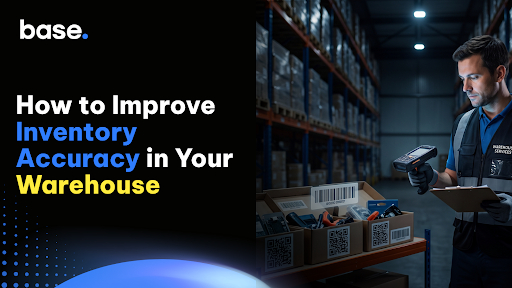
Warehouse inventory accuracy guide showing how organized warehouse processes and technology help improve stock accuracy

Inventory accuracy improves when you close the specific points where stock data drifts from physical reality: unverified receiving, visual-only picking, disconnected returns, and manual adjustments with no audit trail. Businesses in 2024 achieved only an 83% average inventory accuracy rate across ecommerce operations, and closing that gap requires ten specific, provable methods rather than one...

What Is a Warehouse Management System? How Indian D2C Brands Use It to Cut Returns by 30%

W

A warehouse management system in India is software that controls and optimizes every physical operation inside a fulfillment center, from the moment inbound stock arrives to the moment an order leaves for dispatch. It manages where inventory lives, how it is picked, how orders are packed, and how returns are processed and restocked. For Indian D2C brands, a warehouse management system in India is...

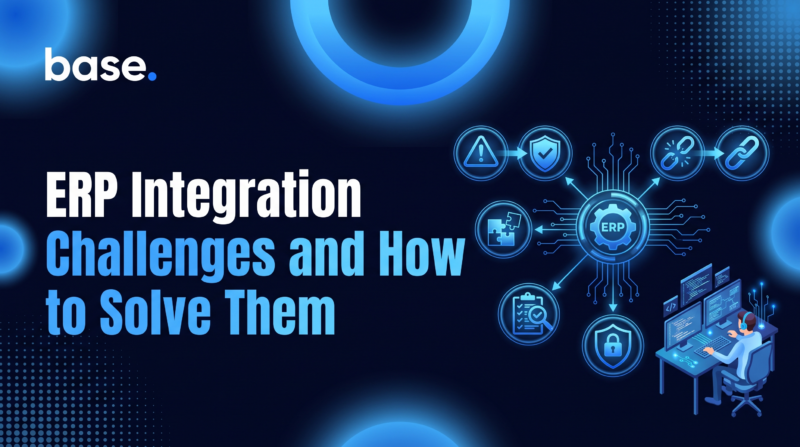
ERP Integration Challenges and How to Solve Them

E
Illustration representing common ERP integration challenges and solutions for D2C and marketplace sellers

Connecting your ERP to the rest of your business stack promises one thing: a single source of truth. Orders, inventory, pricing, and finance all talk to each other, all the time. In practice, most teams hit the same handful of roadblocks along the way. This article walks through the most common ERP integration challenges and the actual fixes. What are the main ERP integration challenges? Most ERP...

What Is ERP Integration? Types, Benefits, and How It Works

W
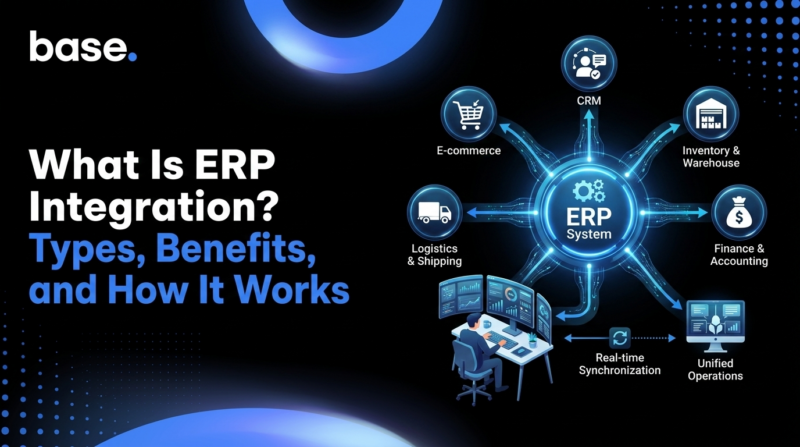
Diagram showing an ERP system connected to e-commerce, CRM, inventory, logistics, and finance and accounting

ERP integration is the process of connecting an Enterprise Resource Planning (ERP) system with other business software so that data moves between them automatically. Instead of staff re-entering the same order, inventory, or customer information in multiple places, the systems exchange it directly, on their own. What is ERP integration? ERP integration means linking an ERP system with the other...

Top 10 D2C Fulfillment Challenges in India in 2026 and How to Solve Each One

T
D2C fulfillment challenges in India showing a warehouse team using technology to manage orders, inventory, and fulfillment operations

India’s D2C market crossed $108 billion in 2026 and is growing at approximately 34.5% CAGR. Behind those numbers sits a structural operations crisis that most brands only partially understand. The national average RTO rate for D2C brands in India sits between 20-30%. For COD-heavy categories like fashion, footwear, and general merchandise, it can touch 40%. A brand doing 500 orders per day...

Payment Reconciliation for D2C Brands in India: Why Manual Processes Are Costing You Lakhs

P
Payment reconciliation for D2C brands in India showing automated financial reconciliation and revenue recovery

Payment reconciliation for D2C brands in India is the process of matching every rupee that should have been received, from marketplace settlements, D2C website transactions, COD remittances, and return credit notes, against what actually landed in the bank account. When the two do not match, the difference is the money you earned and did not collect. Most Indian D2C founders discover this problem...

E-commerce Sale Preparation Checklist for Sellers: 63 Steps From T-45 to Post-Sale (India, 2026)

E
Ecommerce sale preparation checklist cover showing a seller planning a major sales event with a laptop

A complete ecommerce sale preparation checklist for sellers runs 45 days, not one week. Forecast and procurement close at T-30, pricing and margin at T-14, operations at T-7, and everything freezes at T-3. The items that fail are almost always the ones with deadlines you cannot recover. Sixty-three checkpoints follow, phased by when each must be done. Why Phasing Matters More Than Completeness in...

How Multi-Brand Ecommerce Operators Are Building a Single Integrated Inventory and Reporting System with Base.com

H
Base.com multi-brand ecommerce solution showing an integrated inventory and reporting system for growing brands

An integrated inventory management system for multi-brand ecommerce in India is not a feature upgrade for businesses managing more than one brand simultaneously. It is the operational foundation on which everything else depends. When inventory data is fragmented across tools, when reporting lives in disconnected dashboards, and when warehouse teams operate without a single source of truth...

Time of publication
Category
Tags